
If you're struggling with Kamado Joe temperature control, you're not alone. Learning the correct Kamado Joe vent settings is the difference between chasing temperatures all day and enjoying stable, predictable cooks. Whether you're smoking brisket at 225°F or roasting chicken at 400°F, understanding how airflow works inside your Kamado Joe will help you produce consistently great barbecue with confidence.
One of the biggest frustrations for Kamado Joe owners is watching the dome thermometer climb well past the target temperature before the food even goes on. It happens to beginners and experienced pitmasters alike, but the good news is that it's completely preventable once you understand how airflow works inside a ceramic grill.
In this article, I'll explain the most common temperature control mistakes, show you how to fix them, and share the techniques I use to maintain consistent temperatures for overnight briskets, pork shoulders, ribs, and more.
Watch the full video here:
Jump to:
- Why Temperature Control Matters
- Mistake #1: Adjusting Both Vents at the Same Time
- Set the Fire for the Type of Cook
- Wait for Clean Smoke
- Heat Soak the Ceramic for Better Temperature Control
- Dome Temperature Isn't Grate Temperature
- Manage Airflow with Small Vent Adjustments
- Don't Panic After Opening the Dome
- Wind Can Change Everything
- Check Your Gasket
- Low-and Slow Temperature Control
- Final Thoughts on Temperature Control
- Related
Why Temperature Control Matters
The Kamado Joe is capable of maintaining incredibly stable temperatures for 12 hours or more on a single load of charcoal. The secret isn't the charcoal. It isn't the fire starter. It's airflow.
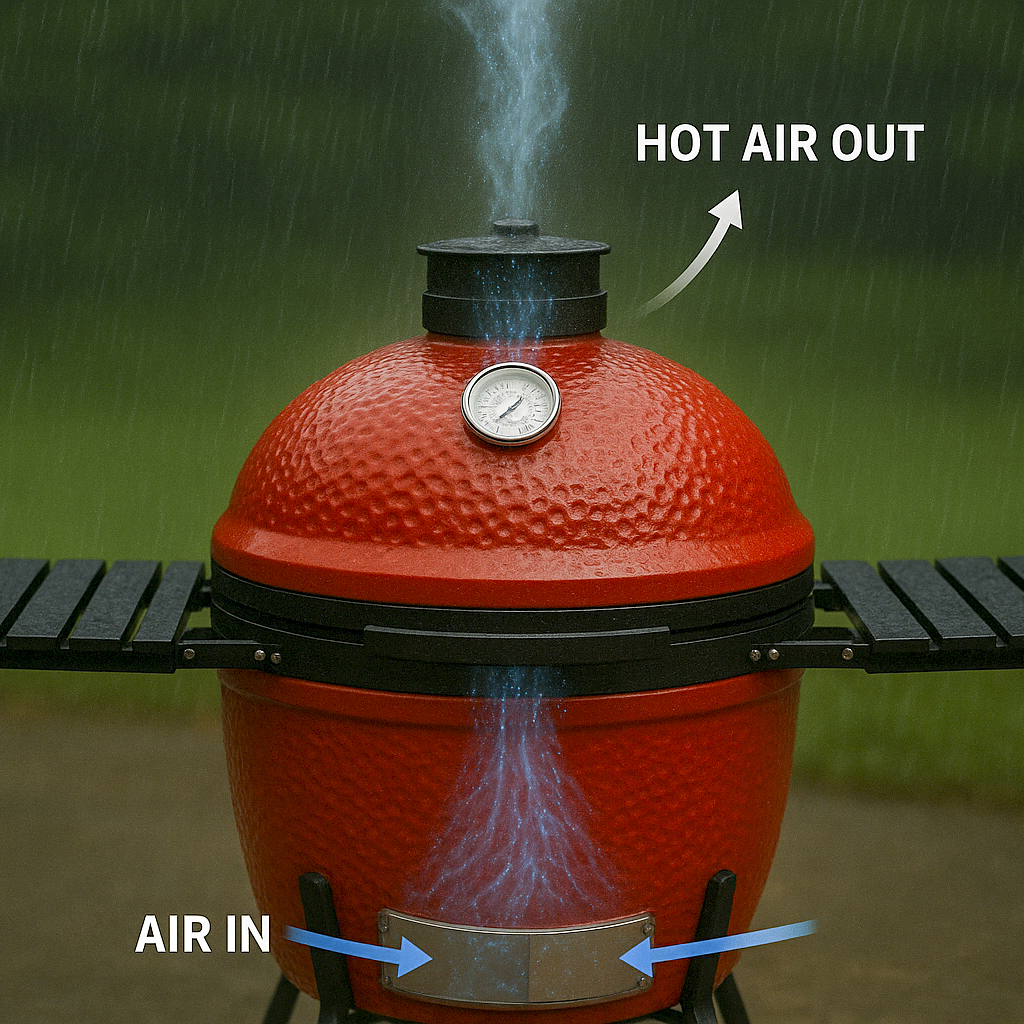
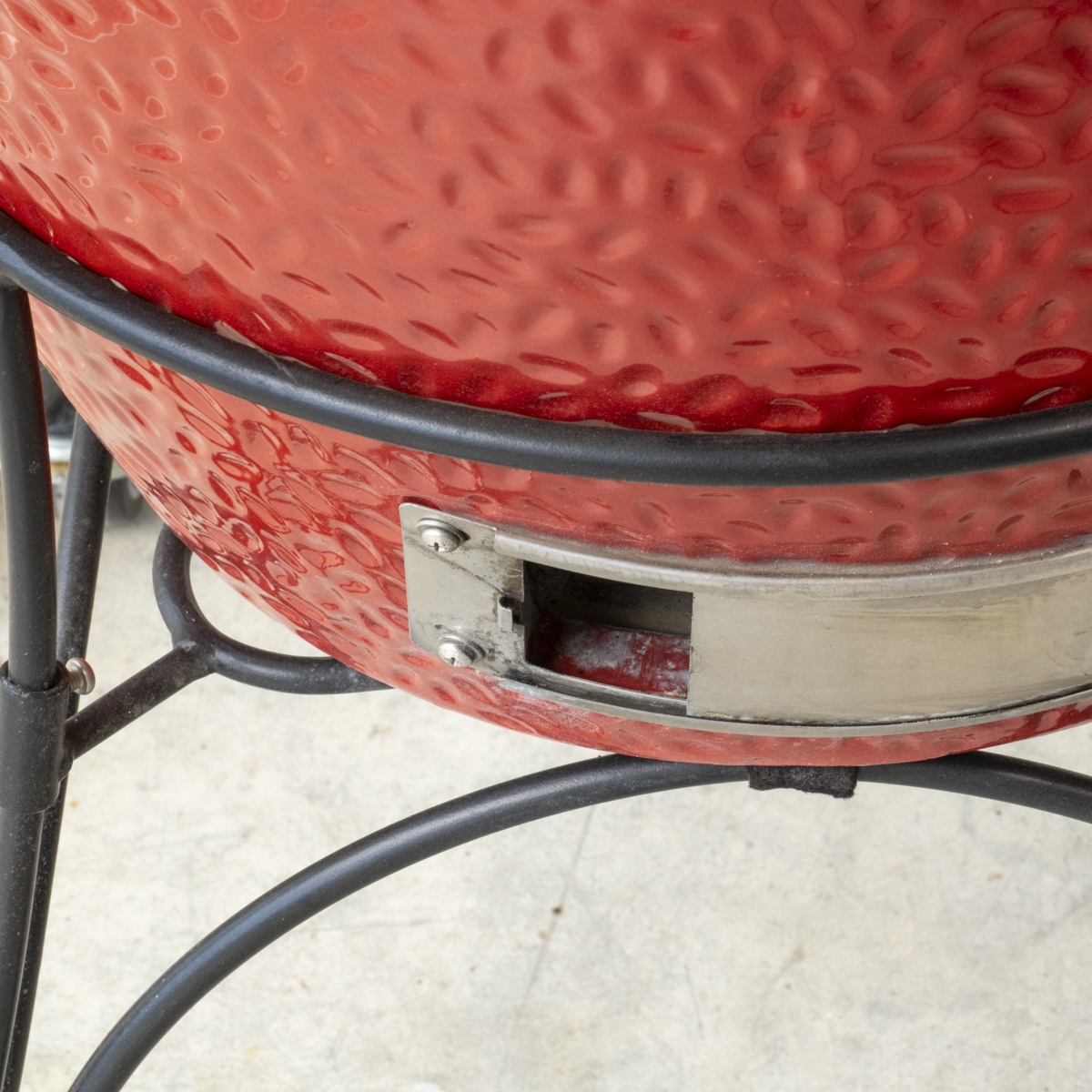
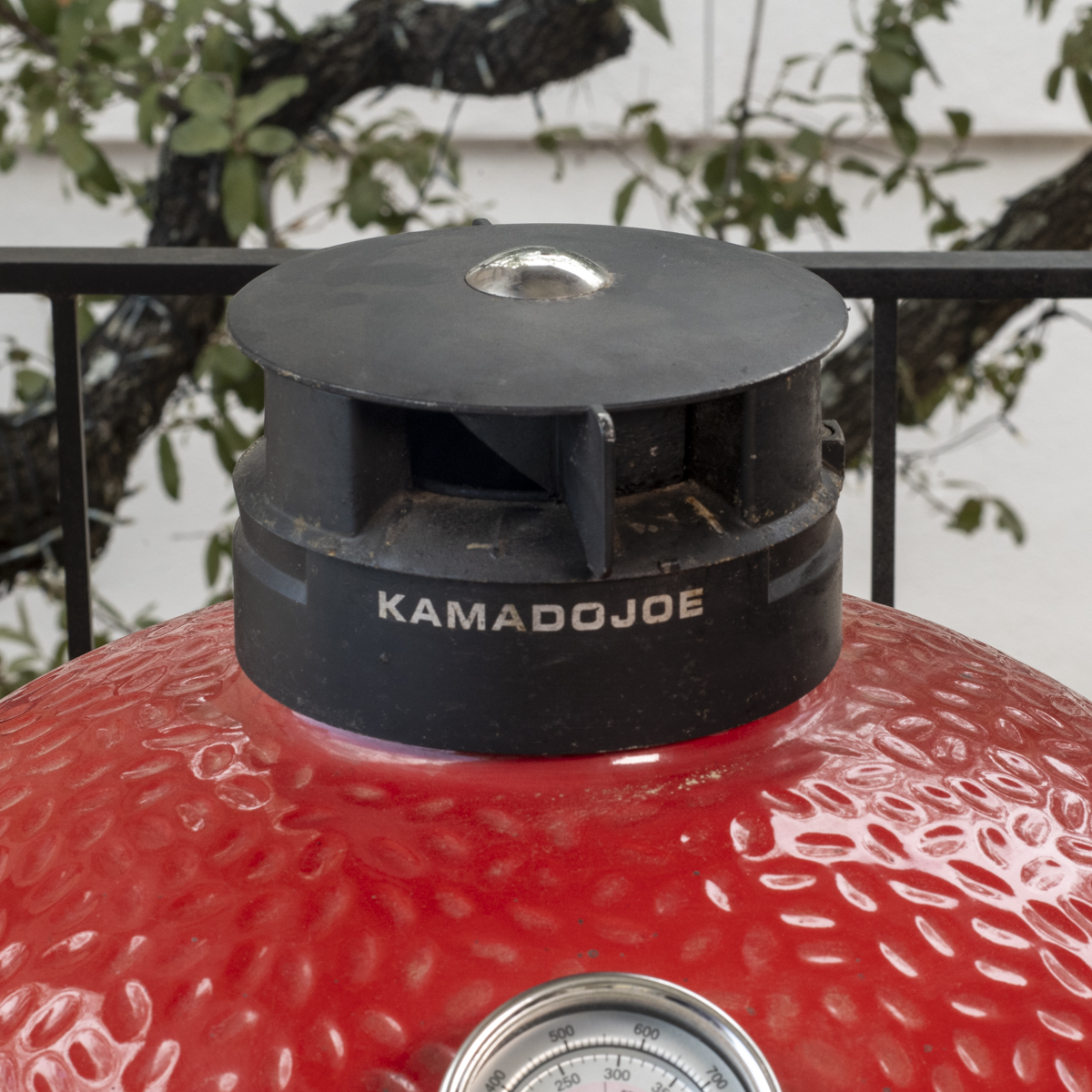
Unlike a gas grill, a Kamado Joe relies on natural draft. Fresh air enters through the bottom vent, feeds the charcoal fire, rises through the cooker, and exits through the Kontrol Tower. Every temperature adjustment comes down to controlling this airflow.
Once you understand that relationship, temperature management becomes much easier.
Mistake #1: Adjusting Both Vents at the Same Time
This is probably the most common mistake new Kamado Joe owners make.
The two vents serve different purposes:
- Bottom vent: Controls how much oxygen reaches the fire, think of it as the throttle
- Top vent (Kontrol Tower): Fine-tunes the airflow and stabilizes the cooking temperature
For most cooks:
- Set the bottom vent based on your target cooking range
- Leave it alone
- Make small adjustments using only the top vent
Trying to constantly adjust both vents creates an endless cycle of temperature swings.
Set the Fire for the Type of Cook
Your fire should match the cooking temperature you're aiming for. Don't overlook the charcoal itself when you're having trouble maintaining a stable temperature. Small pieces and fines can settle into the gaps between larger pieces and restrict airflow through the charcoal basket, which is one reason I prefer larger pieces when building a Kamado Joe fire. I put that preference to the test in my guide to the best lump charcoal for Kamado Joe, where I sorted and weighed nine brands and compared usable piece size, density, debris, and value.
Low & Slow (225-275°F)
- Light the charcoal in one location
- Use a single fire starter
- Build a small, manageable fire
- Set bottom vent open a half-inch after fire is established
Roasting (325-450°F)
- Build a larger fire
- Use two fire starters
- Set bottom vent halfway open after fire is established
High Heat (500°F+)
- Build a much larger fire for maximum airflow
- Use multiple fire starters
- Set bottom vent wide open after fire is established
Starting with a fire that is too big is one of the easiest ways to overshoot your target temperature. Set the bottom vent and leave it alone.
Wait for Clean Smoke
After lighting the charcoal, allow the fire to establish before closing the lid (about 10 minutes).
Look for:
- Thin blue smoke
- Almost invisible smoke
Avoid cooking while thick white smoke is coming from the chimney. White smoke indicates incomplete combustion and will leave unpleasant flavors on your food.
Heat Soak the Ceramic for Better Temperature Control
This step is often overlooked. Even if your dome thermometer reads your target temperature, the ceramic walls haven't necessarily reached that temperature.
Give your Kamado Joe 20-30 minutes to fully heat soak before adding food. Why? If the ceramics are still absorbing heat, they'll pull energy away from the cooking chamber. Many people respond by opening the vents, only to discover the cooker overshoots the target temperature once the ceramics are fully heated.
Patience pays off with much more stable cooks.
Dome Temperature Isn't Grate Temperature
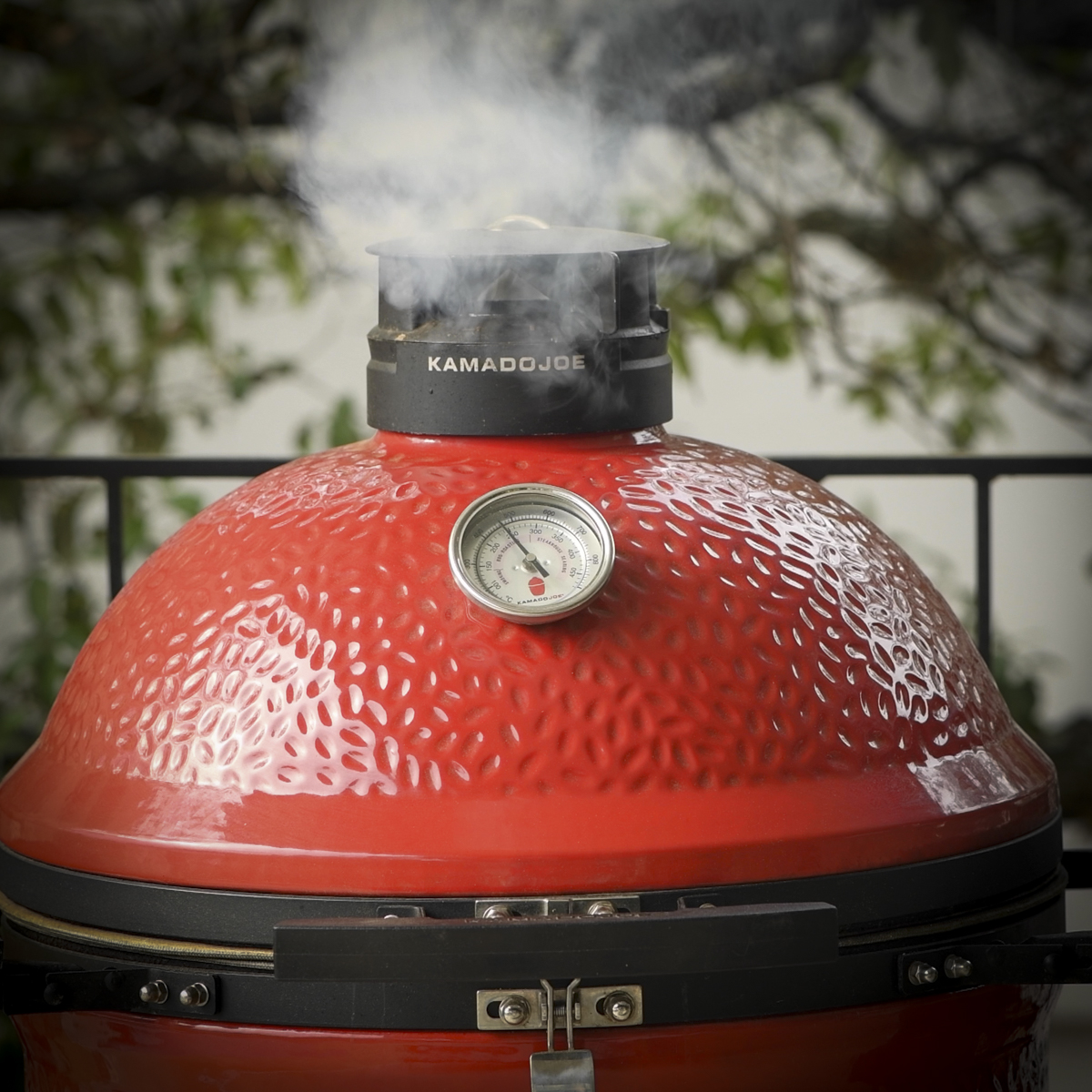
The dome thermometer measures the hottest air near the top of the cooker. Your food cooks at grate level. Those two temperatures can differ by 25-50°F.
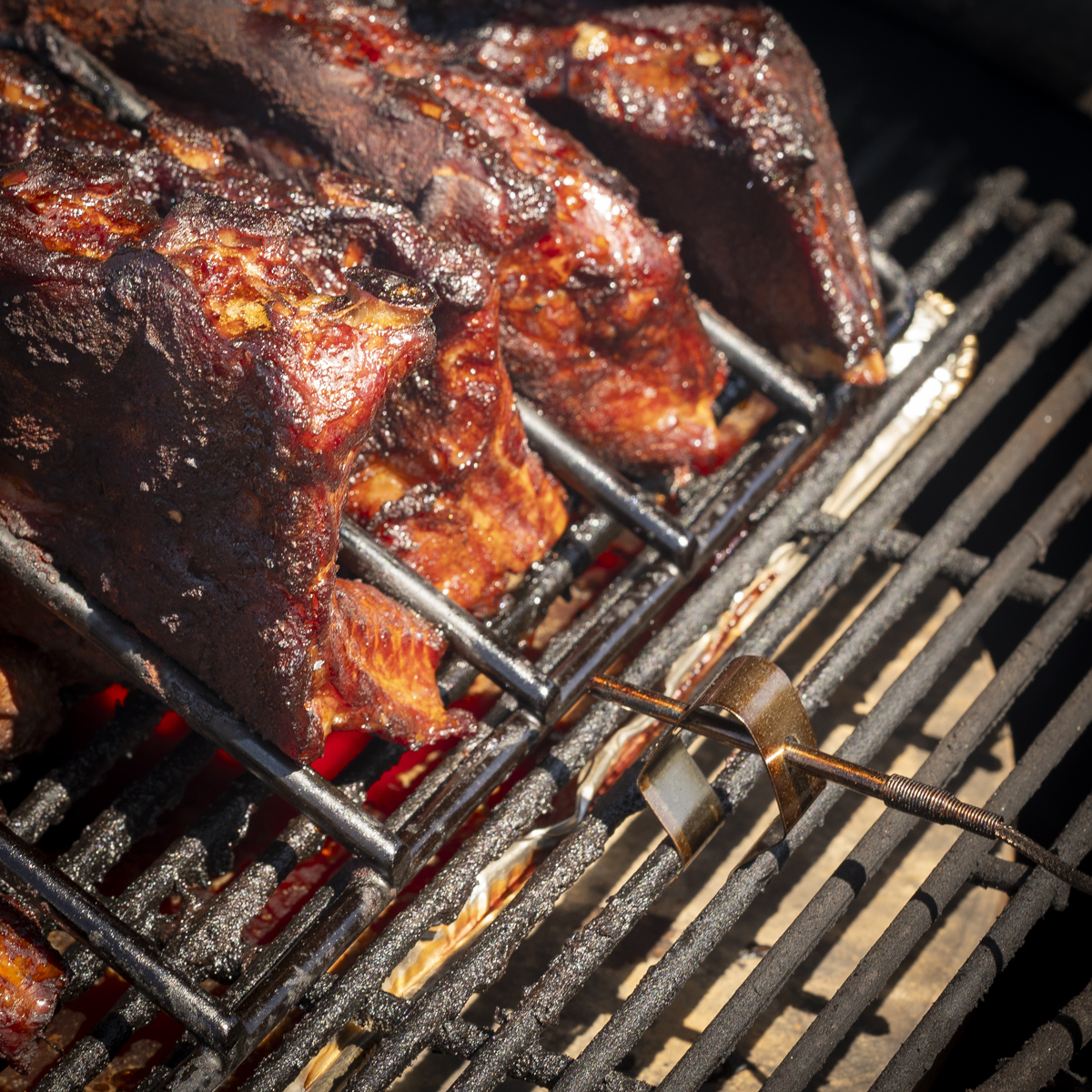
For accurate cooking, especially during long barbecue sessions, use a grate-level temperature probe so you're measuring the environment surrounding your food, not just the air at the top of the dome.
Manage Airflow with Small Vent Adjustments
Ceramic cookers respond slowly. Set the bottom vent based on the size fire you need and leave it alone. All other adjustments should be done with the top vent. When you adjust the top vent:
- Wait about five minutes
- Observe the change
- Make another adjustment only if necessary
Small adjustments produce better results than constantly chasing the temperature.
Don't Panic After Opening the Dome
Opening the lid introduces fresh oxygen into the cooker. That extra oxygen often causes the charcoal to burn more aggressively after you close the lid, resulting in a temporary temperature spike.
Instead of opening the lid again to "let heat out," simply allow the cooker to settle. If necessary, reduce airflow slightly and give the Kamado Joe time to recover naturally.
Wind Can Change Everything
Wind dramatically affects airflow through a Kamado Joe. If strong wind blows directly into the bottom vent, temperatures can climb unexpectedly.
Simple solutions include:
- Turn the Kamado Joe so the bottom vent away from the wind
- Place the grill behind a windbreak
- Slightly reduce the bottom vent opening during windy conditions
Check Your Gasket
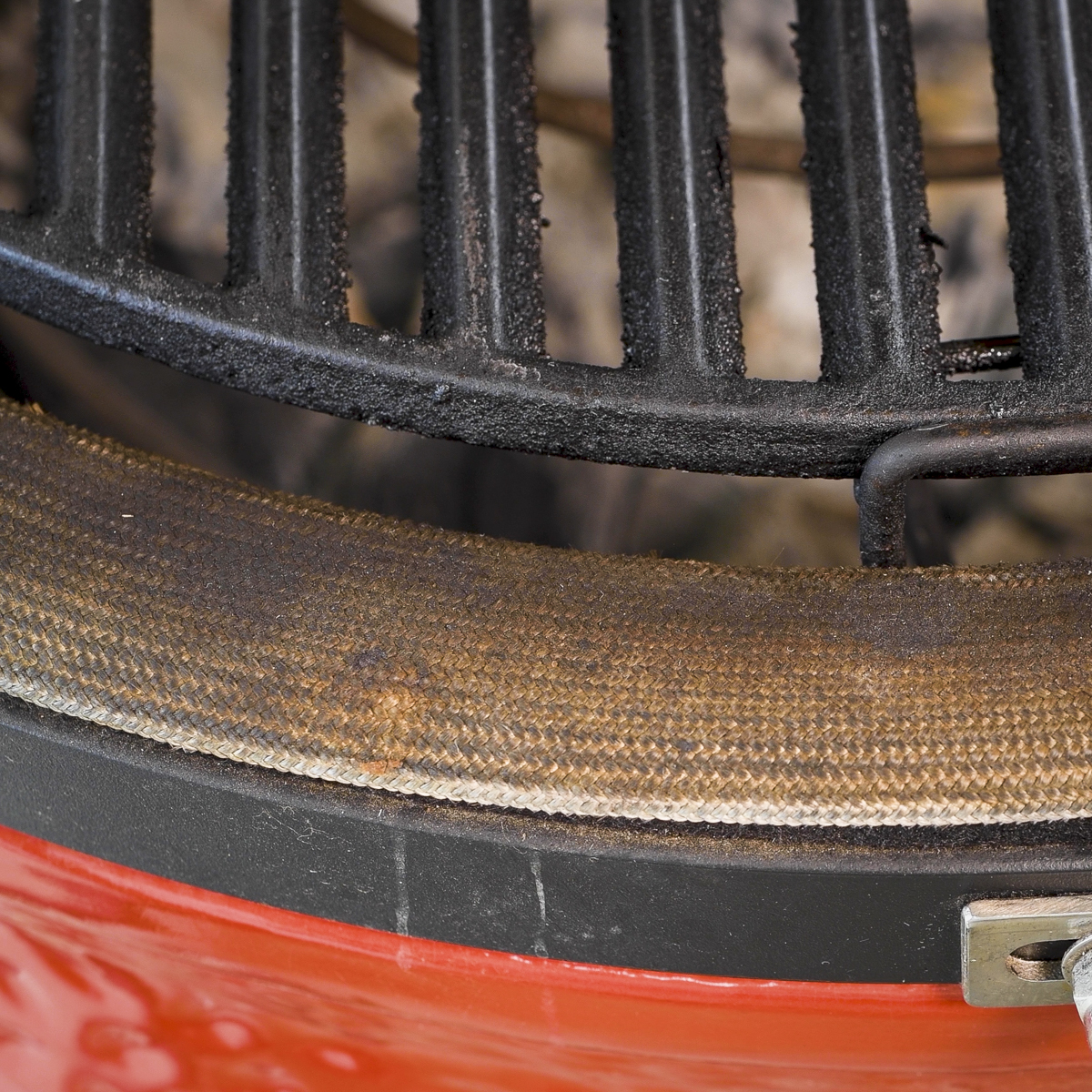
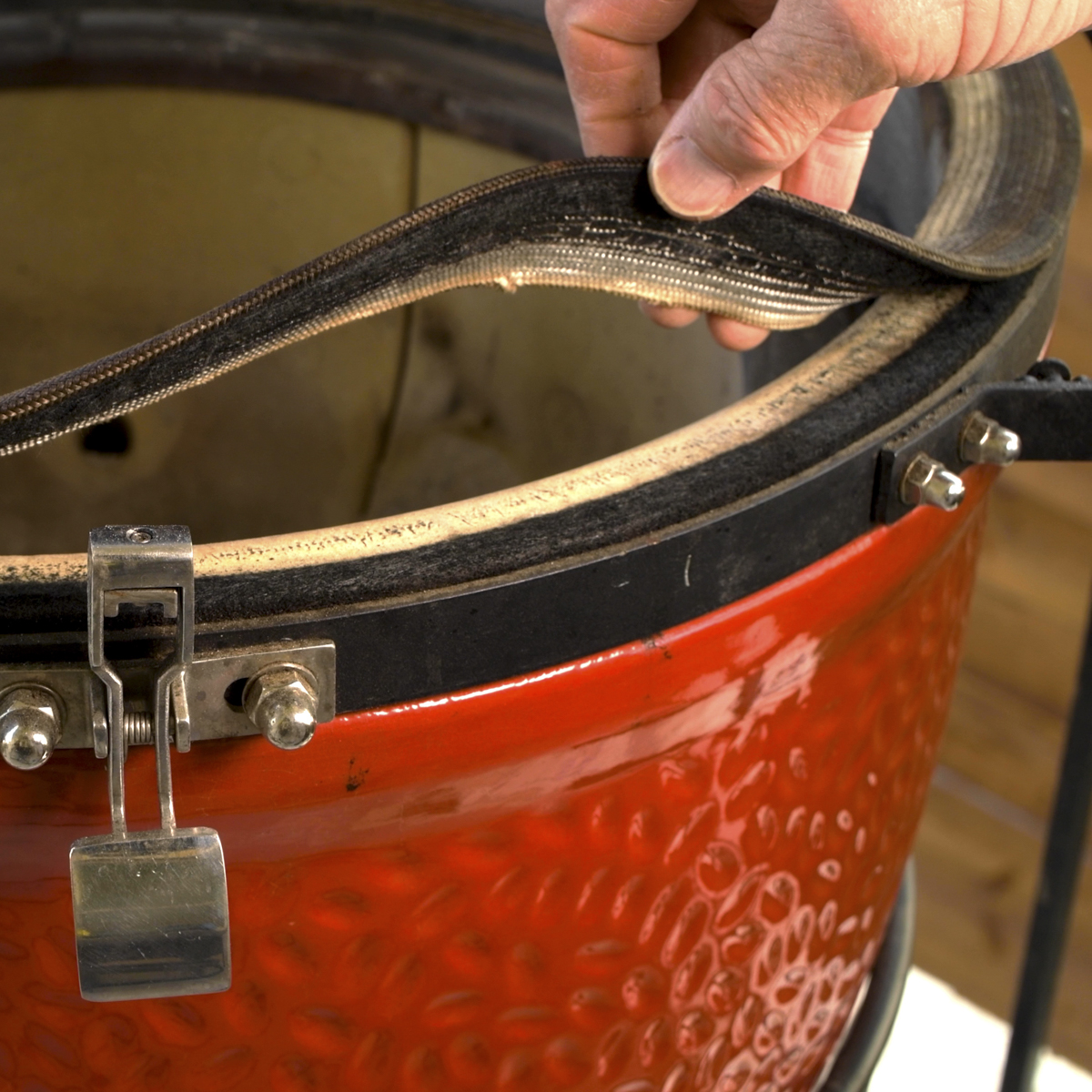
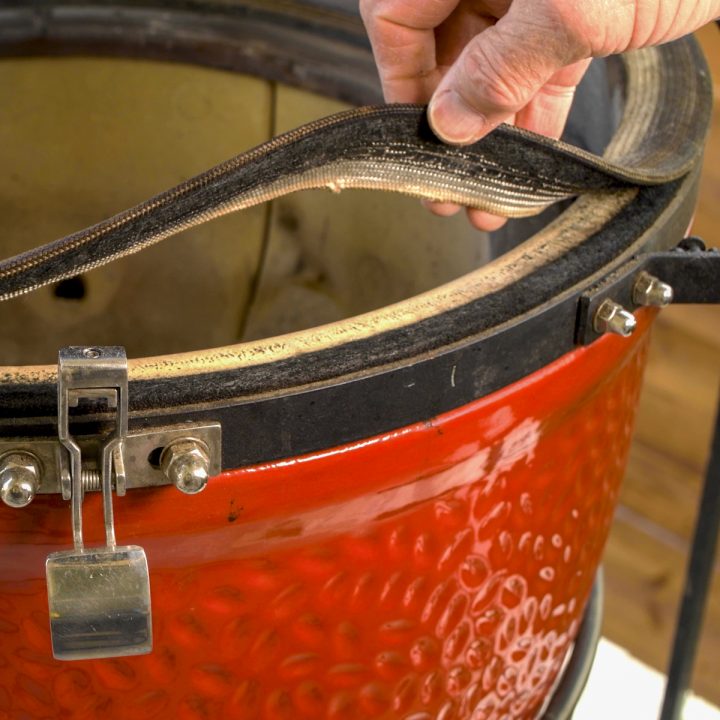
If your Kamado Joe refuses to stabilize no matter what you do with the vents, inspect the gasket. A worn or damaged gasket allows uncontrolled air into the cooker, bypassing your vent settings completely. Smoke escaping around the rim of the dome is usually a sign the gasket needs attention. Replacing it is inexpensive and can restore proper temperature control.
Low-and Slow Temperature Control
For burgers, steaks, chicken wings, and other quick cooks, probably not. But if you regularly cook:
- Brisket
- Pork shoulder
- Beef ribs
- Pork ribs
- Turkey
A temperature controller can make long cooks dramatically easier.
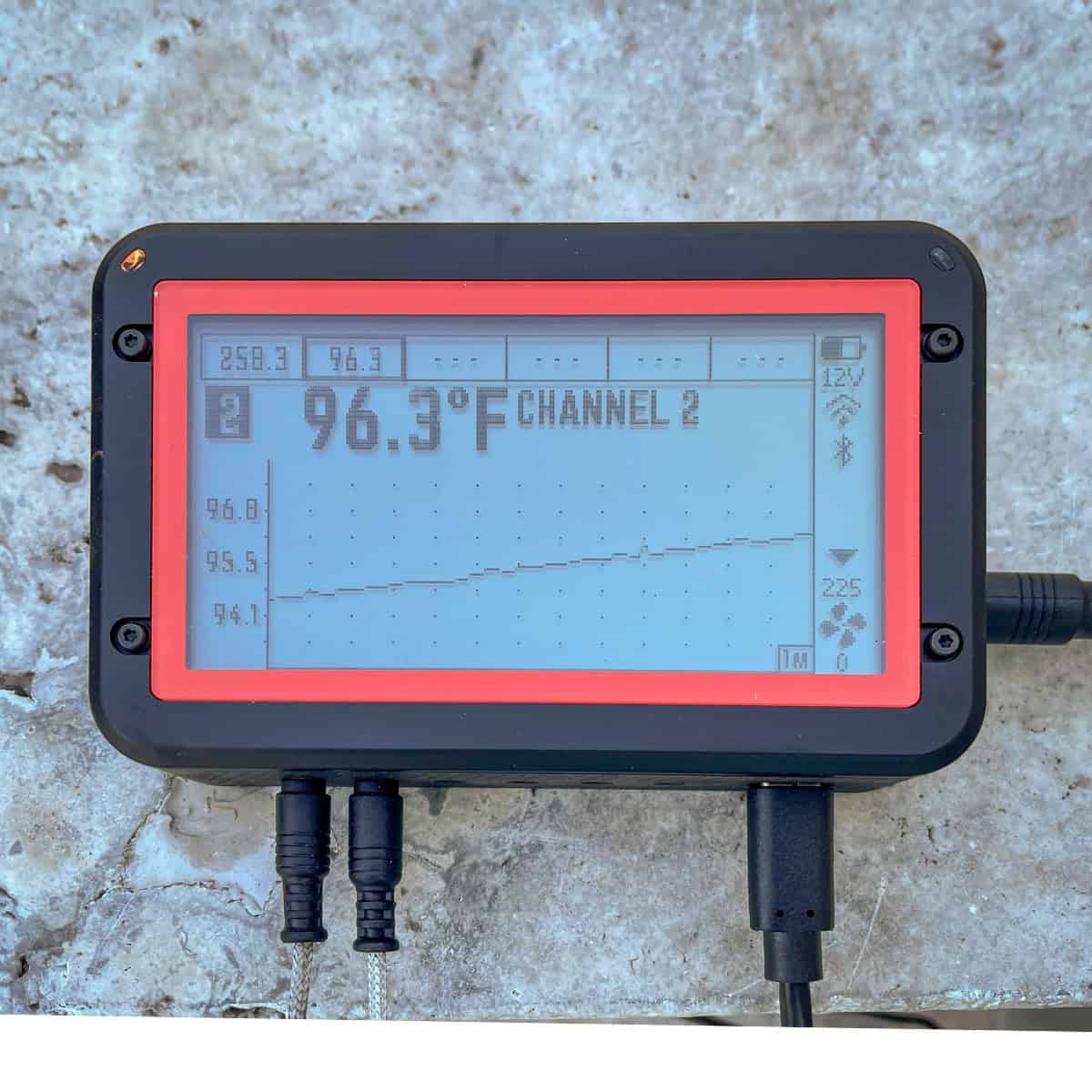
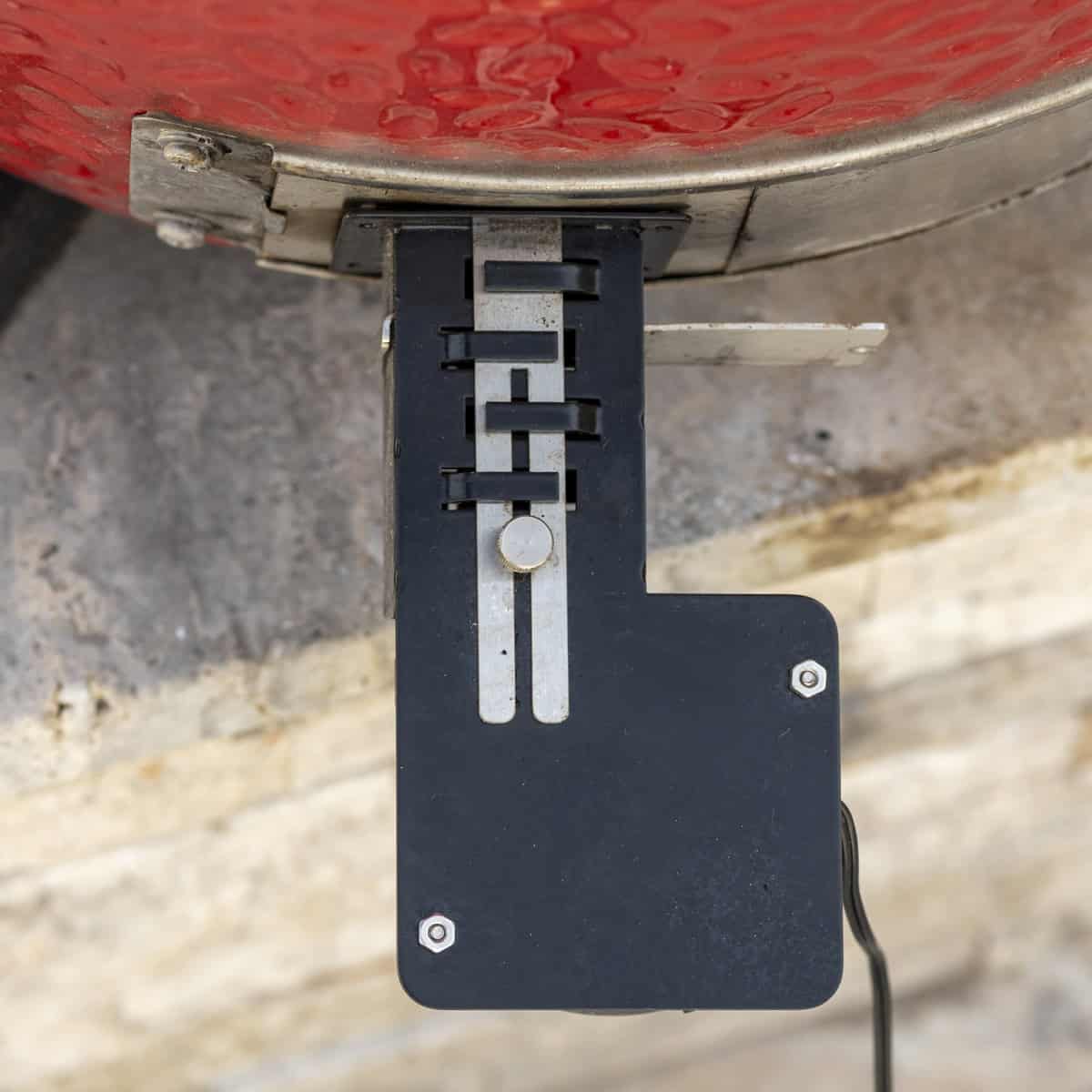
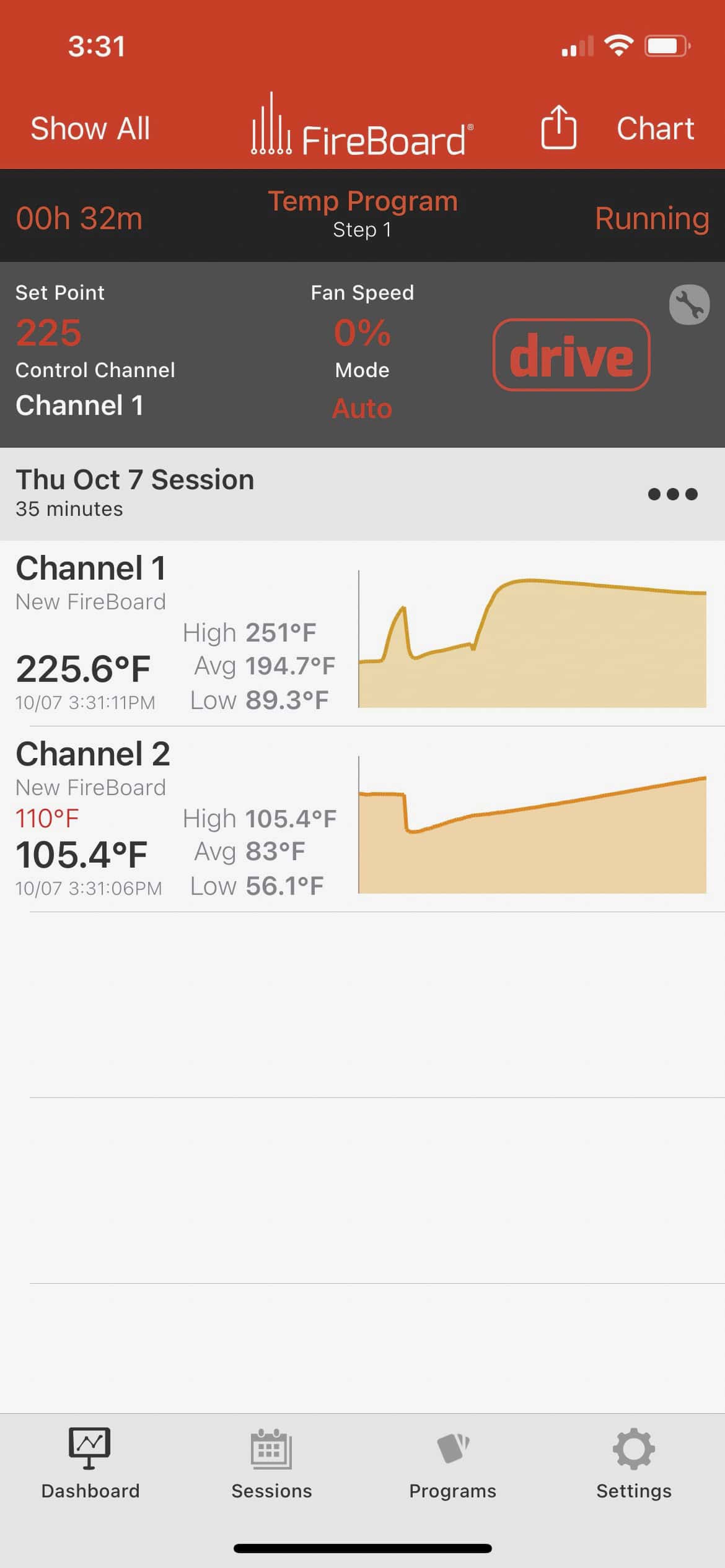
I personally use the FireBoard 2 Drive with a blower fan for long low-and-slow cooks. It monitors grate temperature, automatically adjusts airflow, and keeps the cooker within just a few degrees of the target temperature while sending alerts directly to my phone. Instead of constantly checking vents, I can focus on cooking.
Check out my post on Why You Need a FireBoard.
Final Thoughts on Temperature Control
Mastering Kamado Joe temperature control isn't about buying better charcoal or constantly adjusting vents. It's about understanding airflow.
Once you learn how the bottom vent, top vent, ceramic body, and natural draft all work together, maintaining stable temperatures becomes predictable and repeatable.
Whether you're smoking brisket overnight or roasting chicken for dinner, these techniques will help you produce better barbecue with less frustration.
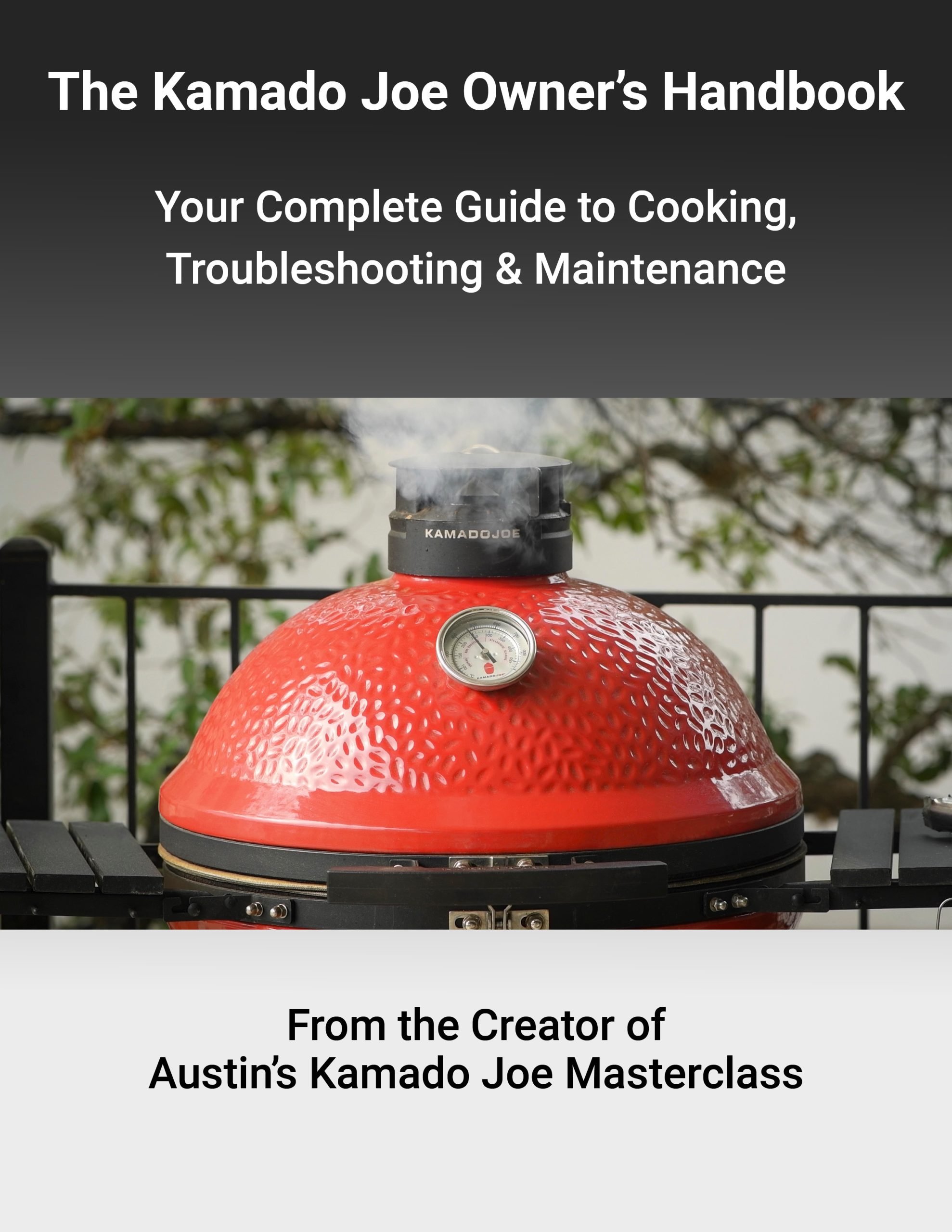
Temperature control is just one of the problems I cover in much greater detail in the Kamado Joe Owner's Handbook, along with setup, maintenance, troubleshooting, fire management, and common problems owners run into.
If you'd like a complete walkthrough, be sure to watch the companion video:
And if you're serious about getting the most from your Kamado Joe, check out the Kamado Joe Owner's Handbook, where I cover setup, seasoning, temperature control, maintenance, troubleshooting, and dozens of practical tips for consistently great results.
Related
Looking for other recipes like this? Try these:
Leave a Reply