
Baby back ribs and spare ribs come from different parts of the pig, and that affects their size, shape, fat content, flavor and how they cook. Baby back ribs come from the upper portion of the rib cage near the loin. They are smaller, more curved, leaner and generally more tender. Spare ribs come from farther down the rib cage toward the belly. They are larger and flatter, with more fat and connective tissue that give them a richer pork flavor.
The Bottom Line: If tenderness is your priority, I'd choose baby back ribs. If you prefer larger ribs with more fat and a richer pork flavor, spare ribs are an excellent choice. St. Louis-style ribs are simply spare ribs that have been trimmed into a more uniform rectangular rack.
Baby Back Ribs vs. Spare Ribs at a Glance
| Baby Back Ribs | Spare Ribs | |
| Location | Upper rib cage near the loin | Lower rib cage toward the belly |
| Shape | Shorter and curved | Longer and flatter |
| Rack size | Smaller | Larger |
| Fat | Leaner | More fat |
| Flavor | Milder | Richer pork flavor |
| Tenderness | Generally more tender | Excellent when cooked properly |
| Cooking time | Generally shorter | Generally longer |
| Price | Usually more expensive | Usually less expensive |
Both are excellent choices for smoking or low-and-slow barbecue. The differences come down primarily to the size, tenderness, fat and flavor you prefer.
Jump to:
- Baby Back Ribs vs. Spare Ribs at a Glance
- What Are Baby Back Ribs?
- What Are Spare Ribs?
- What Are St. Louis-Style Ribs?
- Baby Back Ribs vs. Spare Ribs: The Key Differences
- Baby Back Ribs vs. St. Louis Ribs
- Which Ribs Do I Prefer?
- What to Look for When Buying Ribs
- How I Season Baby Back and Spare Ribs
- Top Tip
- Frequently Asked Questions
- Final Thoughts
- Related
What Are Baby Back Ribs?
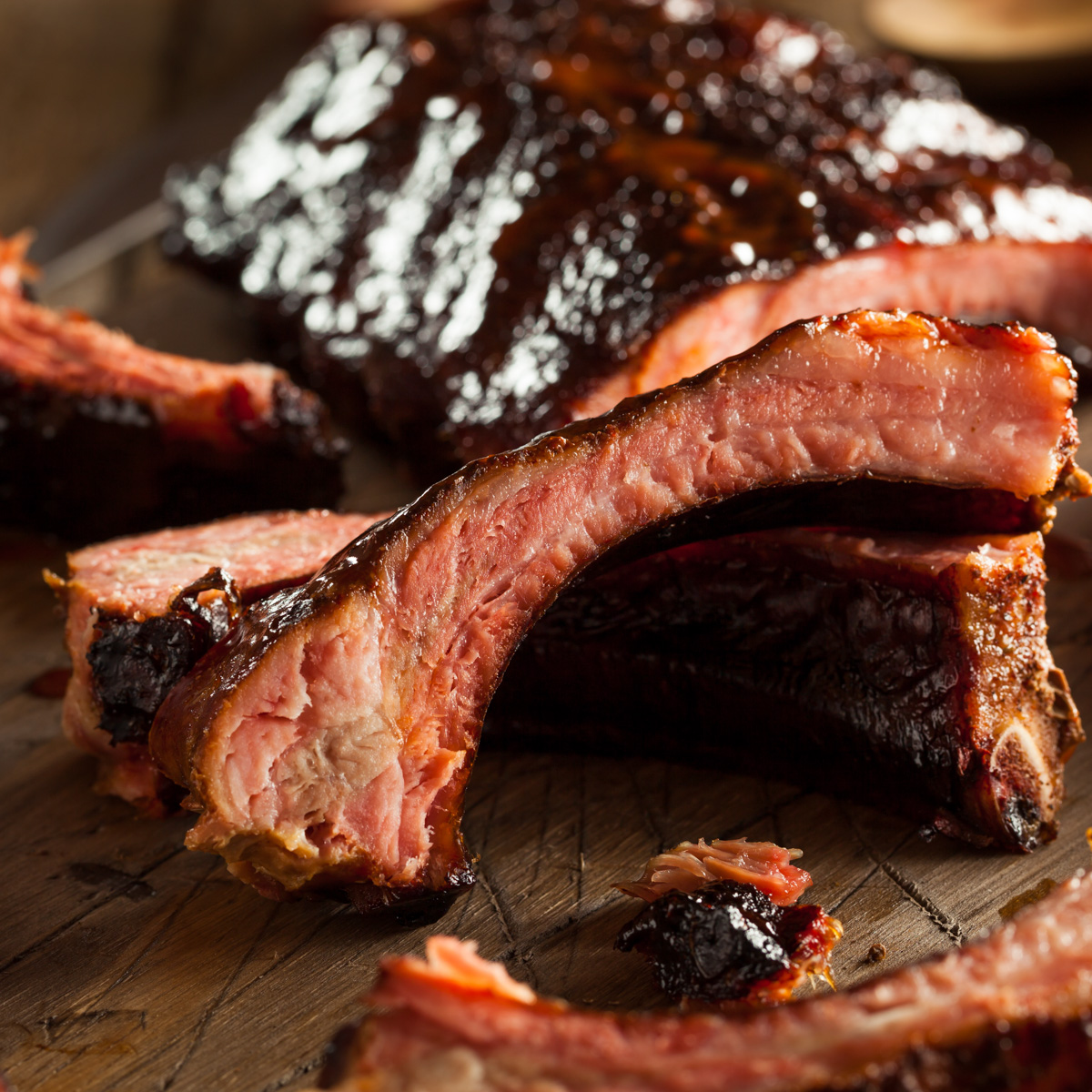
Baby back ribs come from the upper portion of the pig's rib cage where the ribs meet the spine, underneath the pork loin. That's where the name back ribs comes from. You may also see them labeled loin back ribs. The word "baby" doesn't mean they come from a young pig; it refers to their smaller size compared with spare ribs.
Baby backs are shorter and noticeably more curved than spare ribs. They're also generally leaner, have a higher meat-to-bone ratio and, in my experience, consistently produce very tender ribs when cooked properly. Their smaller size can also be useful on a Kamado Joe or another grill where cooking-grate space is limited.
What Are Spare Ribs?
Spare ribs come from the lower portion of the rib cage, extending from where the back ribs end down toward the belly and breastbone. A full rack is generally larger, longer and flatter than a rack of baby backs. Spare ribs also contain more fat and connective tissue, which contributes to their richer pork flavor.
Cook them low and slow and that fat renders while the connective tissue breaks down, producing flavorful, tender meat. A full rack also includes rib tips, cartilage and other sections that give it a less uniform shape than baby backs.
What Are St. Louis-Style Ribs?
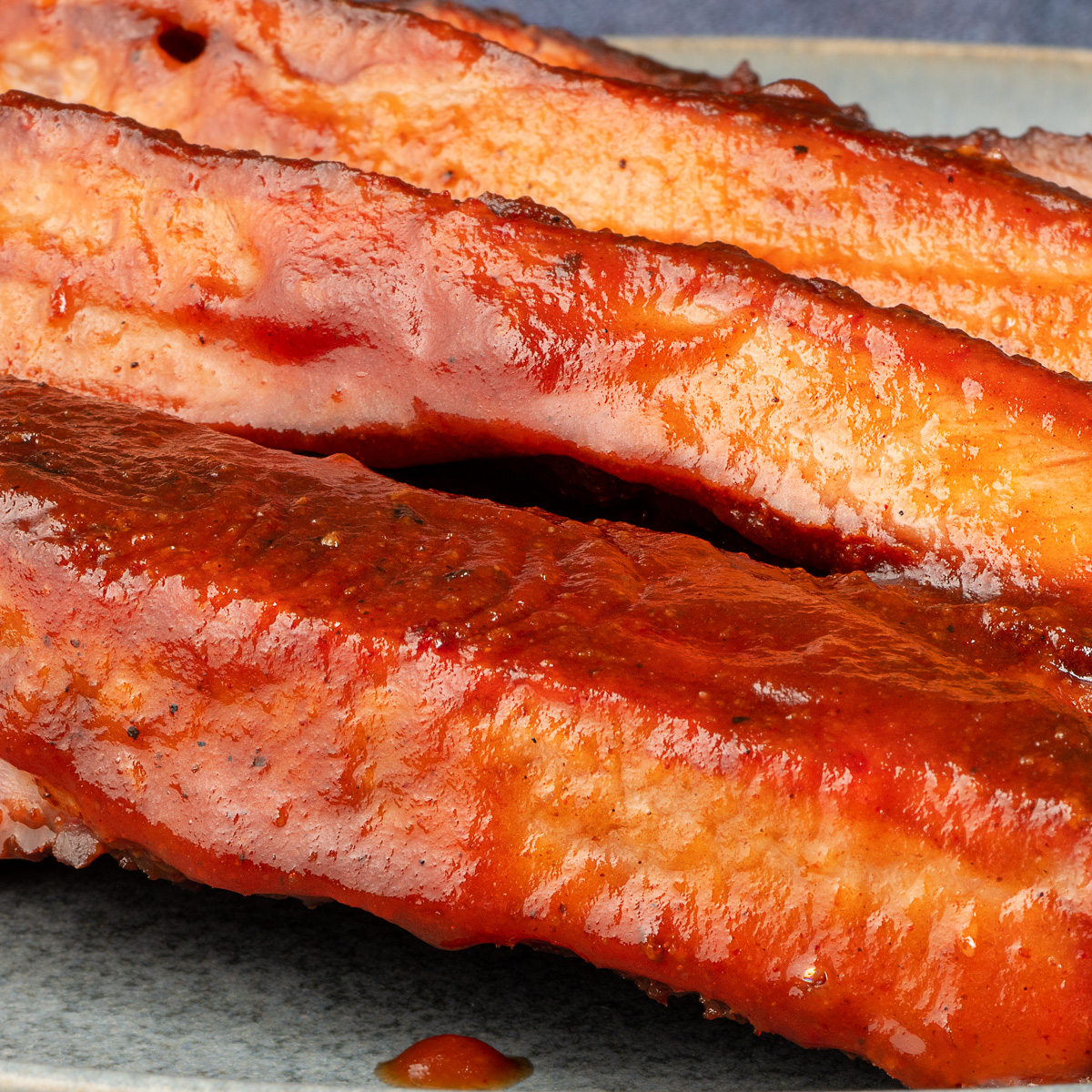
St. Louis ribs aren't a different type of rib. They are spare ribs that have been trimmed into a uniform rectangular rack. The rib tips, cartilage and irregular portions are removed, leaving the straighter section of the ribs.
The uniform shape makes St. Louis ribs easier to handle, cook, portion and present, which is one reason they're popular in competition barbecue. You usually pay more for that convenience, but you can also buy full spare ribs and trim them yourself or ask your butcher to do it.
Baby Back Ribs vs. Spare Ribs: The Key Differences
Knowing where the cuts come from is useful, but what really matters is how those differences affect the ribs you buy and cook.
Size and Shape
Baby back ribs are shorter and curved, while spare ribs are longer, flatter and generally sold as a larger rack. The smaller size of baby backs can be an advantage on a Kamado Joe, particularly when you're trying to fit multiple racks on the cooking grate.
Tenderness
I find baby back ribs to be consistently more tender than spare ribs. Properly cooked spare ribs can also become extremely tender, but their additional fat and connective tissue need enough cooking time to render and soften.
Flavor and Fat
Spare ribs contain more fat, which gives them a richer, more pronounced pork flavor. Baby backs are leaner and somewhat milder. In my house, the difference becomes less important once I've added a good dry rub, smoke and barbecue sauce, but the richer flavor of spare ribs is one reason many barbecue cooks prefer them.
Meat-to-Bone Ratio
Baby back ribs generally have a higher meat-to-bone ratio, but a full rack of spare ribs is larger and its individual bones are larger as well. When I'm buying ribs, I don't worry much about the ratio. I pay more attention to the actual rack and look for good, even meat coverage without a lot of exposed bone.
Cooking Time
Baby back ribs generally cook faster because they're smaller and leaner. Spare ribs are larger and contain more fat and connective tissue, so they typically need more time to become tender. Actual cooking time depends on the size and thickness of the rack, cooking temperature and whether you wrap the ribs.
I've used variations of the traditional 3-2-1 method for ribs over the years, but I don't assume every rack needs exactly six hours. In particular, a full two hours wrapped can be more than baby backs need and can make them softer than you want. Treat time as a guide and cook the ribs until they reach the tenderness you prefer.
Baby Back Ribs vs. St. Louis Ribs
St. Louis ribs have the larger bones, additional fat and richer flavor of spare ribs, but come in a neater rectangular rack. Baby backs are smaller, leaner and more curved and generally cook somewhat faster.
Both work extremely well on a smoker or Kamado Joe. The decision is really the same as baby backs versus spare ribs: you're choosing between the leaner, smaller baby back and the larger, fattier St. Louis cut.
Which Ribs Do I Prefer?
Today, I'd choose baby back ribs. For years they were my standard choice, and then I went through a period when I preferred St. Louis ribs because I liked their larger size and uniform shape. Eventually, the consistent tenderness of baby backs-and my family's preference for them-won me back.
That doesn't make baby backs objectively better. I've cooked plenty of both and would happily serve either one. But if I'm standing at the meat counter today, I'm taking home the baby backs.
What to Look for When Buying Ribs
Regardless of which style you choose, compare the racks before putting one in your cart. Look for good, even meat coverage across the bones and relatively consistent thickness from one end to the other. Some visible fat is a good thing because properly rendered fat adds flavor, but I don't want an excessively fatty rack.
I also look for a healthy pink-red color and avoid ribs that appear discolored or dried out. Most importantly, avoid racks where the bones are prominently exposed through the meat. There can be a surprising amount of variation between packages, so it's worth taking a minute to choose the best rack.
How I Season Baby Back and Spare Ribs
I use the same basic barbecue flavor profile for both cuts. A good dry rub provides the foundation, smoke adds another layer of flavor, and barbecue sauce can go on toward the end if that's the style of ribs you prefer.
My Kansas City Dry Rub works well on baby back ribs and spare ribs. For sauce, my Bourbon BBQ Sauce is another good option. The important thing is not to bury good pork under too much seasoning or sauce.
Top Tip
Whichever type of ribs you choose, I suggest cooking them using the 3-2-1 method. Find out more about the 3-2-1 method in my recipe for St. Louis Spare Ribs.
Frequently Asked Questions
Generally, yes, and that's been my experience. Spare ribs can also become extremely tender when cooked properly but contain more fat and connective tissue.
Spare ribs generally have a richer pork flavor because they contain more fat. Baby backs are leaner and somewhat milder.
St. Louis ribs are spare ribs that have been trimmed into a uniform rectangular rack by removing the rib tips, cartilage and other irregular portions.
Yes. Side ribs is another name for spare ribs, although terminology can vary depending on where you live.
Both work extremely well on a Kamado Joe. Baby backs are somewhat easier to fit when cooking-grate space is limited because the racks are smaller.
Generally, yes. Actual cooking time depends on the size and thickness of the rack, cooking temperature, whether you wrap the ribs and your preferred tenderness.
I use the 3-2-1 method as a framework rather than a rigid schedule. Baby backs generally cook faster than spare ribs, and a full two hours wrapped can make them softer than you want. Adjust the timing to the ribs you're cooking.
Final Thoughts
Baby back ribs are smaller, leaner and generally more tender, while spare ribs are larger, flatter and fattier with a richer pork flavor. St. Louis ribs are simply spare ribs trimmed into a neater, more uniform rack. All three can produce outstanding barbecue when cooked properly.
My preference is baby back ribs, but there's no wrong choice here. Once you've decided which cut you want, take a look at my Baby Back Ribs recipe or St. Louis Spare Ribs recipe for the complete cooking process. My guide to 15 Common Mistakes People Make When Barbecuing Ribs can also help you avoid some of the problems I've learned about the hard way.
Related
Looking for other recipes like this? Try these:

Leave a Reply