Knowing when a brisket is done can be one of the trickiest parts of the cook. It's tempting to rely solely on temperature as a measure of doneness, but the number on the thermometer is only one test of doneness for a brisket. I normally target about 203°F, but the final test is tenderness. When a probe slides into several areas of the flat with very little resistance, the brisket is done.
Bottom Line: When Is Brisket Done?
Start checking your brisket for doneness as the internal temperature approaches 200°F. I target 203°F. Insert a temperature probe or skewer into the thickest part of the flat. It should slide into the meat easily, with very little resistance. If the brisket still feels tight or the probe is difficult to push in, keep cooking it even if the thermometer says 203°F. Likewise, don't continue cooking a probe-tender brisket just because it hasn't reached exactly 203°F. Every brisket is different, so tenderness tells you when it's actually done.
Once a brisket is done, take it off the smoker and let it rest before slicing. But knowing when a brisket is done cooking and knowing when it's ready to slice are two different things, and I'll cover resting later in this article.
Jump to:
- Bottom Line: When Is Brisket Done?
- What Temperature Is Brisket Done?
- How to Tell When a Brisket Is Done
- Can a Brisket Reach 203°F and Still Be Tough?
- How to Tell If Brisket Is Done Without a Thermometer
- What Does a Brisket That's Done Look Like?
- Let the Brisket Rest Before Slicing
- How to Tell Whether Your Brisket Was Cooked Properly
- Common Mistakes When Deciding If a Brisket Is Done
- Frequently Asked Questions About Brisket Doneness
- Final Thoughts: Temperature Gets You Close, Tenderness Tells You It's Done
- Related
What Temperature Is Brisket Done?
Most briskets will finish somewhere around 200°F to 205°F internal temperature, and 203°F is the temperature I use as my target.
There's a reason you'll see 203°F mentioned so often when people talk about brisket. Brisket has a lot of connective tissue, and during a long cook, heat gradually breaks down the collagen in that tissue. That process transforms a tough cut of beef into tender, juicy brisket.
I've had consistently good results cooking brisket to approximately 203°F, so I'm certainly not going to tell you temperature doesn't matter. It does. What I wouldn't do is remove a brisket from the smoker simply because the thermometer changes from 202°F to 203°F without checking the meat for tenderness. Both tests are important.
As the brisket approaches 200°F, start checking it periodically for tenderness. Temperature tells you when to start checking. Tenderness tells you when the brisket is done.
How to Tell When a Brisket Is Done
Once the brisket gets close to its finishing temperature, I use feel to determine tenderness. Temperature gets me into the neighborhood. The probe test tells me whether I've arrived.
The Probe Test
Take an instant-read thermometer probe, temperature probe, skewer or similar thin object and insert it into the thickest portion of the flat. When the brisket is properly cooked, the probe should slide in and out with very little resistance.
The important thing is recognizing the difference between resistance and tenderness. An undercooked brisket will feel noticeably tight as you push the probe through the meat. A finished brisket will feel soft and pliable.
I also like to check more than one location rather than relying on a single spot. If one area feels tender but a different part of the flat still feels tight, the brisket probably needs a little more time.
Why I Check the Flat
A whole packer brisket contains two major muscles: the flat and the point. The flat is the large, relatively lean portion that produces most of the brisket slices. The point sits partly on top of it and contains considerably more intramuscular fat. The point is also the section commonly used to make burnt ends.
Because the point contains more fat, it's generally more forgiving and can feel tender while portions of the leaner flat still need more time. That's why I pay particular attention to the flat when deciding whether the entire brisket is finished.
Probe placement matters when you're monitoring temperature, too. You want the tip of the probe in the meat, not sitting in a pocket of fat or pushed too far through the brisket. Either can give you a misleading reading.
Can a Brisket Reach 203°F and Still Be Tough?
A brisket can reach 203°F and still be tough if the connective tissue hasn't broken down completely. Briskets vary in thickness, fat content and connective tissue, so they don't all become tender at exactly the same temperature.
That's why I treat 203°F only as a target. If the flat still resists the probe, keep cooking. If it's probe tender, it's done.
How to Tell If Brisket Is Done Without a Thermometer
You can also determine whether a brisket is done without relying on its internal temperature, although I still recommend using a good thermometer whenever possible. If you don't have one, use a thin skewer and push it into several locations in the thickest portion of the flat. When the brisket is done, it should slide into the meat easily with very little resistance.
You can also use the jiggle or bend tests, but I find them much more subjective. If I didn't have a thermometer, the probe test is the method I'd trust most.
What Does a Brisket That's Done Look Like?
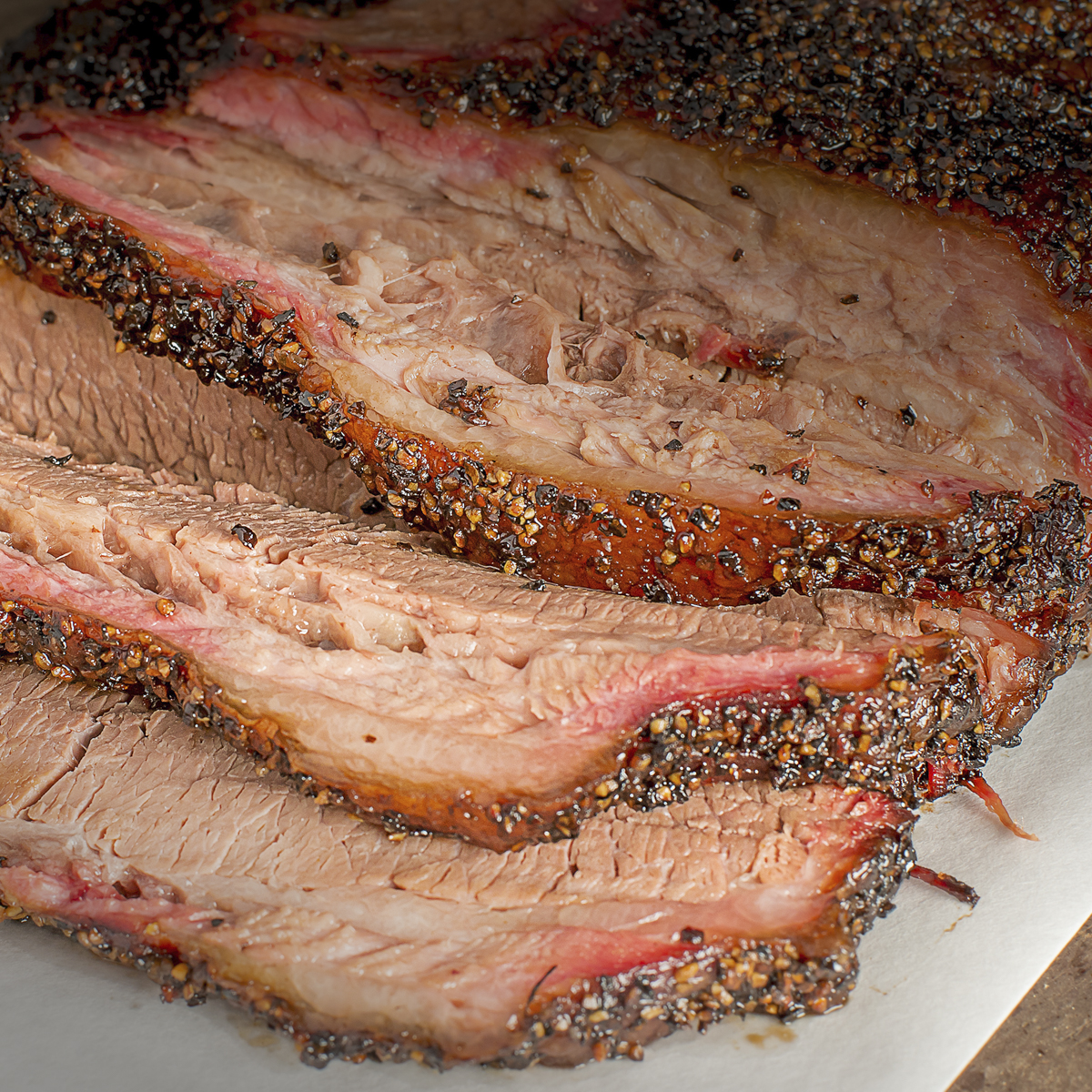
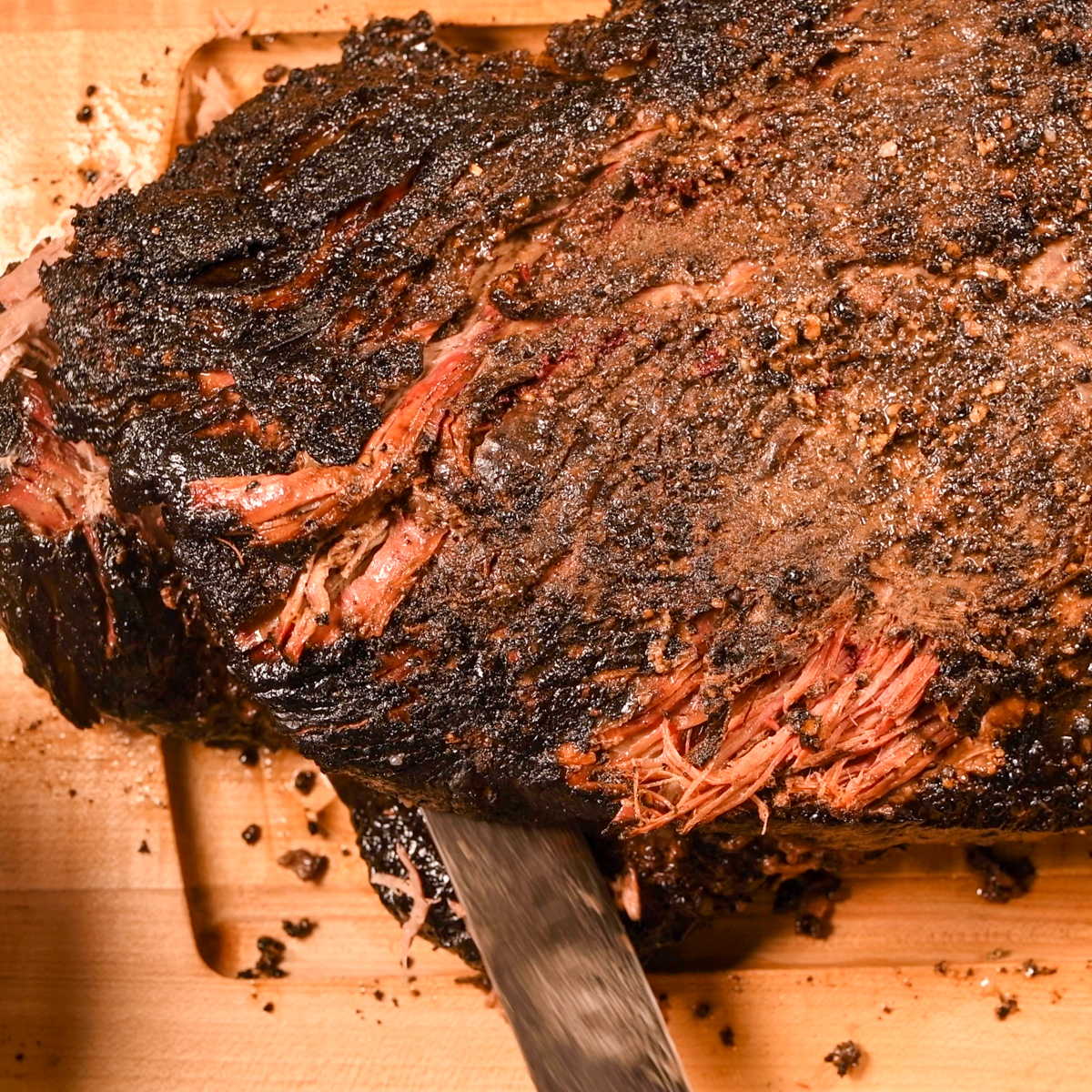
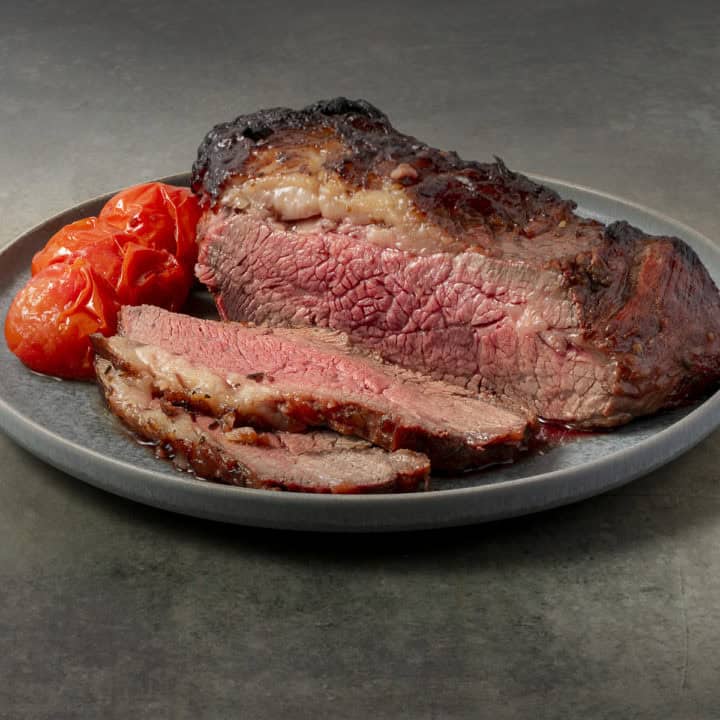
A finished brisket should normally have a dark, well-developed bark on the exterior and look moist when sliced. Depending on your rub, smoke and cooking method, the bark may range from dark brown to almost black. Appearance alone isn't a reliable doneness test, however. A brisket can have beautiful bark while the flat is still tough.
Use appearance to judge the bark, temperature to tell you when you're getting close, and tenderness to determine when the brisket is done.
Let the Brisket Rest Before Slicing
Once the brisket comes off the smoker, it needs to rest for at least an hour, preferably two. Resist the temptation to slice it immediately. The resting period is an important final part of the cooking process.
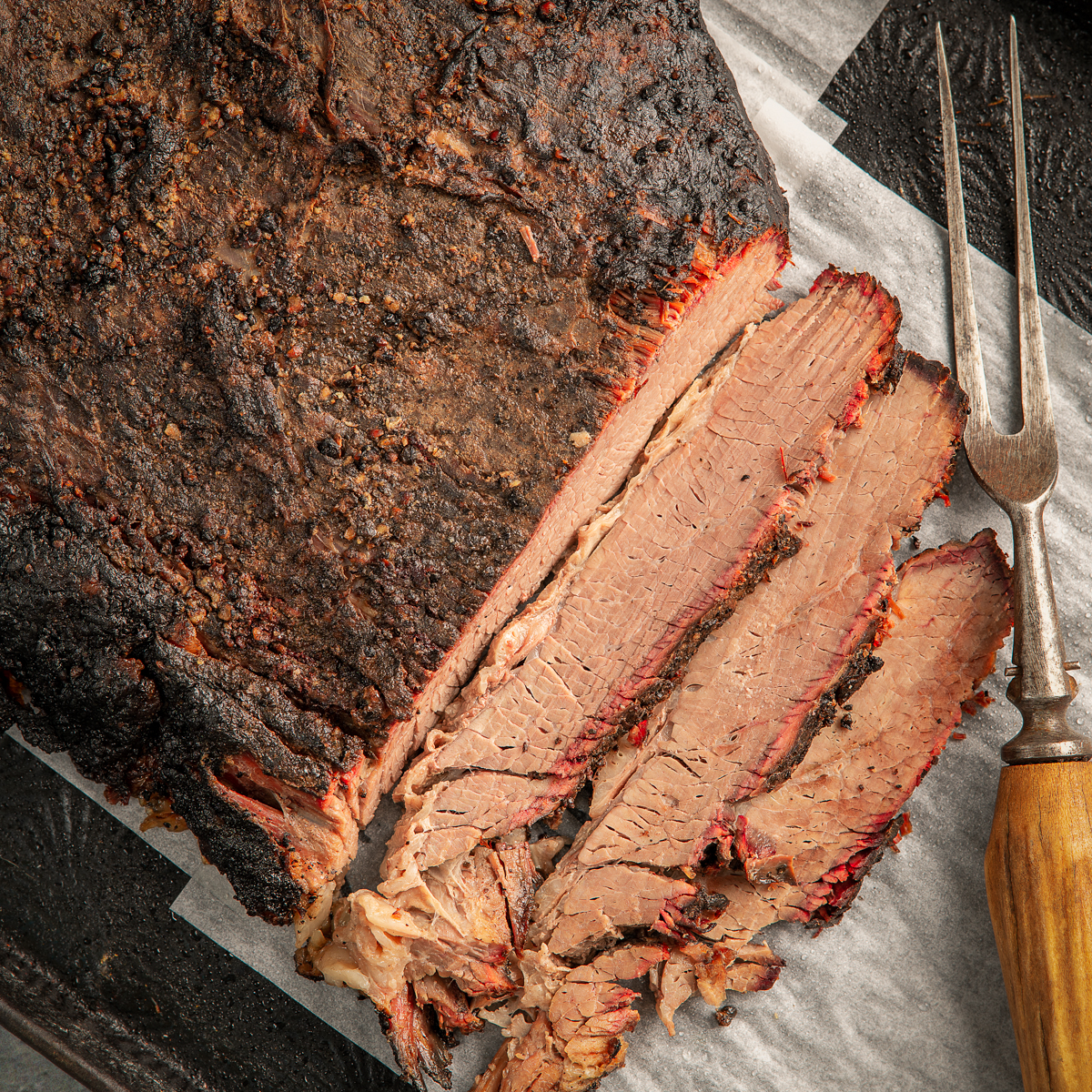
I learned that lesson firsthand. One of the briskets in the original version of this article rested for only about ten minutes before I sliced it. It looked good initially, but it quickly dried out. I still use that photograph because it's a good example of what can happen when impatience takes over after you've already invested hours in the cook.
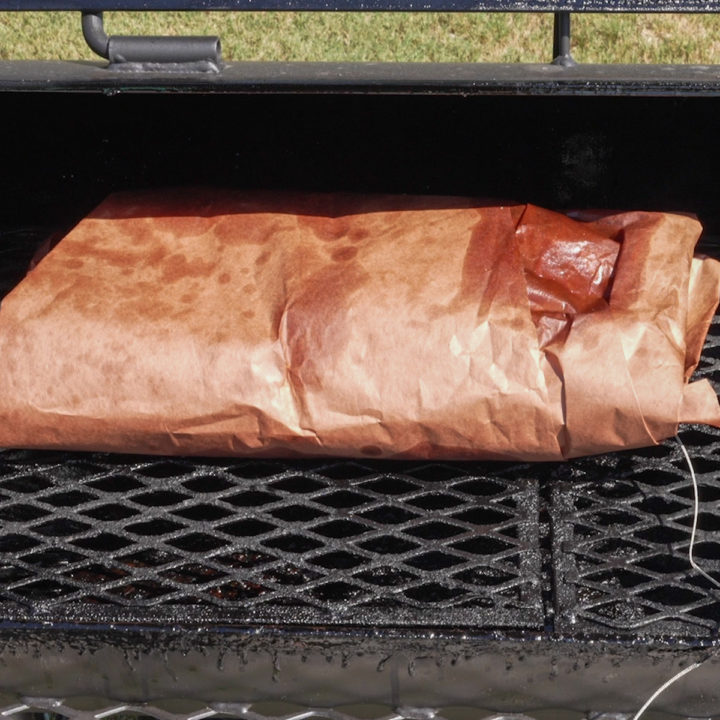
To rest the brisket, I usually leave the pink butcher paper on, wrap the whole thing in plastic wrap and then bath towels, and place it in an insulated cooler. I usually leave my meat probe in the brisket and wrap the towels around it so I can monitor the temperature while it rests. USDA guidance says hot food should be held at 140°F or warmer, so keep an eye on the temperature during longer holds.
How to Tell Whether Your Brisket Was Cooked Properly
You can learn quite a bit about your cook once you begin slicing. Properly cooked flat slices should be moist and tender while retaining enough structure to hold together. They shouldn't be rubbery, but they also shouldn't fall apart the moment you pick them up.
If the brisket is tough and chewy, particularly through the flat, the most likely problem is that it needed more time. The meat may have reached the expected temperature without the connective tissue breaking down enough to produce the tender texture you wanted.
A dry brisket isn't necessarily overcooked. An undercooked flat can seem dry because the collagen hasn't sufficiently broken down. Cutting the brisket too soon can also contribute to moisture loss. If the flat crumbles when sliced, the brisket is probably overdone. Either make thicker slices or chop it and add barbecue sauce.
Common Mistakes When Deciding If a Brisket Is Done
If the flat isn't probe tender when you planned to eat, slicing it because everyone is hungry isn't going to make it tender. It's best to start earlier than you think you need to. A finished brisket can be held, but an unfinished brisket can't be rushed without compromising the result.
Frequently Asked Questions About Brisket Doneness
A brisket can absolutely be done at 200°F, and this is around the temperature where I start checking carefully for tenderness. If several areas of the flat are probe tender at 200°F, I wouldn't continue cooking solely because I'm waiting to see 203°F. If it still feels tight, leave it on the smoker and continue checking as the temperature rises.
Yes. More cooking doesn't always produce more tender brisket. Eventually the meat can become so soft that the flat begins falling apart rather than producing clean slices. For sliced brisket, I want the meat tender enough to bite through easily but still firm enough for a slice to hold together when I pick it up. If it's overcooked, chop it up and add your favorite barbecue sauce.
A properly rendered brisket will usually have some noticeable movement or jiggle because so much of the fat and connective tissue has changed during the cook. I consider that a useful clue, but I don't use it as my primary doneness test. Temperature followed by probing the flat gives me a much more repeatable way to make the decision.
Final Thoughts: Temperature Gets You Close, Tenderness Tells You It's Done
After cooking many briskets on Kamado Joes, Big Green Eggs and stick-burner smokers, 203°F remains my target temperature because it consistently puts me in the finishing range I want. But the final test is tenderness. When a probe slides into several areas of the flat with very little resistance, the brisket is done.
Use temperature to tell you when you're getting close, tenderness to tell you when you're finished, and give the brisket at least an hour to rest before slicing.
Leave a Reply