
You don't need a water pan to cook low and slow on a Kamado Joe, but I use one for brisket, pork shoulder, ribs and other long cooks. A Kamado Joe already retains heat and moisture extremely well, so the benefit isn't as dramatic as it can be in an offset smoker. Even so, I've found that a water pan creates a more stable, humid cooking environment and makes long cooks a little more forgiving.
I place a water pan above the ceramic heat deflectors and below the cooking grate. I usually fill it about three-quarters full with plain water before the cook. After years of cooking this way, it has simply become part of my normal Kamado Joe setup for low-and-slow barbecue.
Jump to:
- Does a Kamado Joe Need a Water Pan?
- Where Do You Put a Water Pan in a Kamado Joe?
- How Much Water Should You Put in the Pan?
- Should You Use Hot or Cold Water?
- What Should You Put in a Kamado Joe Water Pan?
- Does a Water Pan Help Keep Meat Moist?
- Does a Water Pan Help Smoke Stick to the Meat?
- Will a Water Pan Hurt the Bark on a Brisket?
- Should You Use a Water Pan for Brisket on a Kamado Joe?
- Should You Use a Water Pan for Ribs?
- What About Pork Shoulder?
- Do You Need to Refill the Water Pan During a Long Cook?
- What Happens If the Water Pan Runs Dry?
- Water Pan vs. Drip Pan: Can One Pan Do Both?
- Is a Water Pan Worth Using in a Kamado Joe?
- Want to Know More About Water Pans?
Does a Kamado Joe Need a Water Pan?
No. A Kamado Joe can cook excellent barbecue without a water pan. Ceramic grills are extremely efficient cookers because the thick ceramic walls retain heat and low-temperature cooking requires very little airflow.
That's one of the important differences between a Kamado Joe and a traditional offset smoker. An offset smoker constantly moves a considerable amount of hot air through the cooking chamber. A Kamado Joe running at 250°F has its vents restricted and moves much less air through the cooker. That means a Kamado Joe already provides a relatively humid cooking environment.
So why do I still use a water pan? I've found that the additional humidity helps keep the surface of the meat from drying out too quickly during a long cook. The water also adds some additional thermal mass, which can help moderate temperature changes. Neither benefit is absolutely necessary, but I've had consistently good results using a water pan, so I continue to use one.
Where Do You Put a Water Pan in a Kamado Joe?
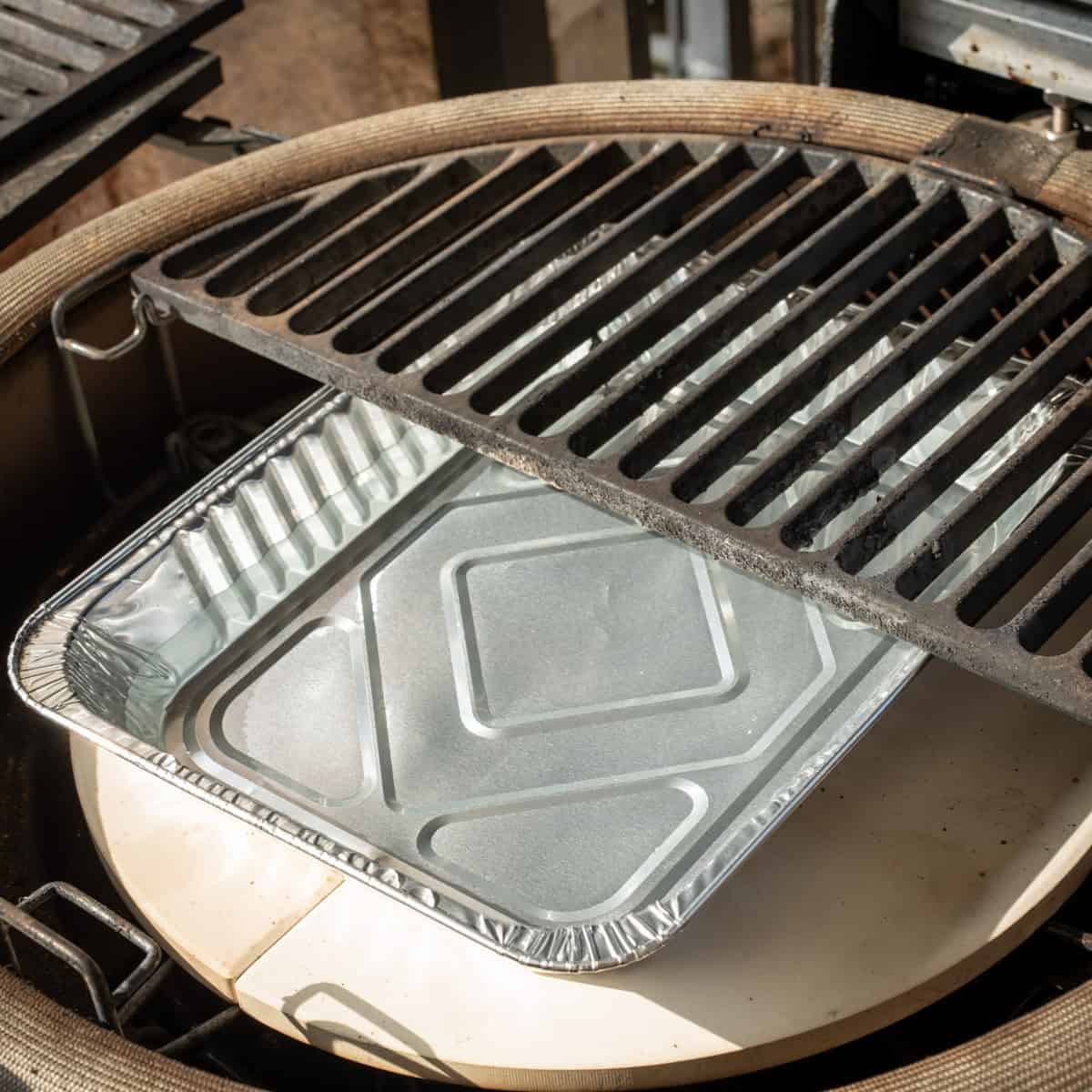
I put a water pan above the heat deflectors and below the cooking grate.
For an indirect cook, the setup from bottom to top is:
- Charcoal and smoking wood
- Ceramic heat deflectors
- Water pan
- Cooking grate
- Meat
The water pan doesn't need to be huge. Use a pan that fits comfortably inside the grill while leaving enough room around its edges for heat and smoke to circulate. I prefer to use inexpensive disposable aluminum pans. They eventually get covered with smoke, grease and drippings, and I prefer not to have to clean all that gunk from a reusable pan.
How Much Water Should You Put in the Pan?
I fill my water pan about 75% full. I've learned not to fill the pan before putting it into the Kamado Joe. A disposable aluminum pan full of water is surprisingly difficult to maneuver, especially when you're trying to position it above the heat deflectors. The pan can flex, and spilling a large amount of water into the charcoal isn't how you want to start a cook. Instead, I put the empty pan into position and then fill it using a pitcher.
Check the pan occasionally during a particularly long cook and add more water if necessary. If the pan runs completely dry, you'll lose the additional humidity and thermal mass it was providing.
Should You Use Hot or Cold Water?
I normally use cold or room-temperature water. I've never found a meaningful advantage to heating the water first.
The Kamado Joe will heat the water soon enough. Starting with hot water might reduce the amount of energy required to bring everything up to temperature slightly, but in practice I don't find it worth worrying about.
What Should You Put in a Kamado Joe Water Pan?
Plain water is all you need. Over the years I've experimented with apple juice, apple cider, beer and combinations of different liquids. My longtime mixture was roughly 50% water, 40% apple juice or cider and 10% beer. Why only 10 ounces of beer? Because I drank the first two ounces.
It makes for a good barbecue tradition, but I'm not convinced those other liquids make a noticeable difference in the flavor of the meat. The rub, smoke and the meat itself have a much greater effect. If you want to keep things simple, use water.
Does a Water Pan Help Keep Meat Moist?
This is one of the biggest misconceptions about water pans. The water isn't somehow penetrating the brisket and making the inside of it juicier. Instead, evaporation from the pan increases the humidity inside the Kamado Joe. The more humid environment can slow evaporation from the surface of the meat, allowing that surface to remain moist longer. Think of a water pan as a tool for managing the cooking environment rather than a way of adding water to the meat.
The juiciness of your finished brisket or pork shoulder depends more on the meat itself, properly rendering its fat and collagen, cooking it to the right degree of tenderness and resting it properly.
Does a Water Pan Help Smoke Stick to the Meat?
It can help create conditions that encourage smoke adhesion. Smoke adheres more readily to a moist, tacky surface than one that has dried out. By increasing humidity and slowing surface evaporation, the water pan can help the surface stay moist longer during the early stages of the cook. You want to avoid drying the surface of the meat while it is absorbing flavor from the smoke.
Will a Water Pan Hurt the Bark on a Brisket?
I've heard this concern many times, but it hasn't been a problem for me. A water pan can affect bark development because increasing humidity slows evaporation from the meat's surface. However, I regularly use a water pan when smoking brisket and pork shoulder on my Kamado Joe and still get the bark I'm looking for.
If your bark isn't developing properly, there are several other things to consider before blaming the water pan. Cooking temperature, airflow, the rub you're using, excessive surface moisture and wrapping too early can all affect bark development.
Should You Use a Water Pan for Brisket on a Kamado Joe?
I certainly do. Brisket is probably the best example of when I want a water pan in my Kamado Joe. It's a long cook, and I'm trying to maintain a stable environment while developing smoke flavor and bark without drying out the surface.
I normally cook brisket at 250°F with the heat deflectors installed for indirect cooking and the water pan above them. That's the setup that has consistently worked for me.
A water pan isn't a substitute for proper brisket technique, though. It won't rescue an overcooked brisket, and it doesn't tell you when the meat is finished.
If you're not sure what to look for, my guide on How to Know When a Brisket is Done explains why tenderness matters more than cooking to a specific internal temperature.
Should You Use a Water Pan for Ribs?
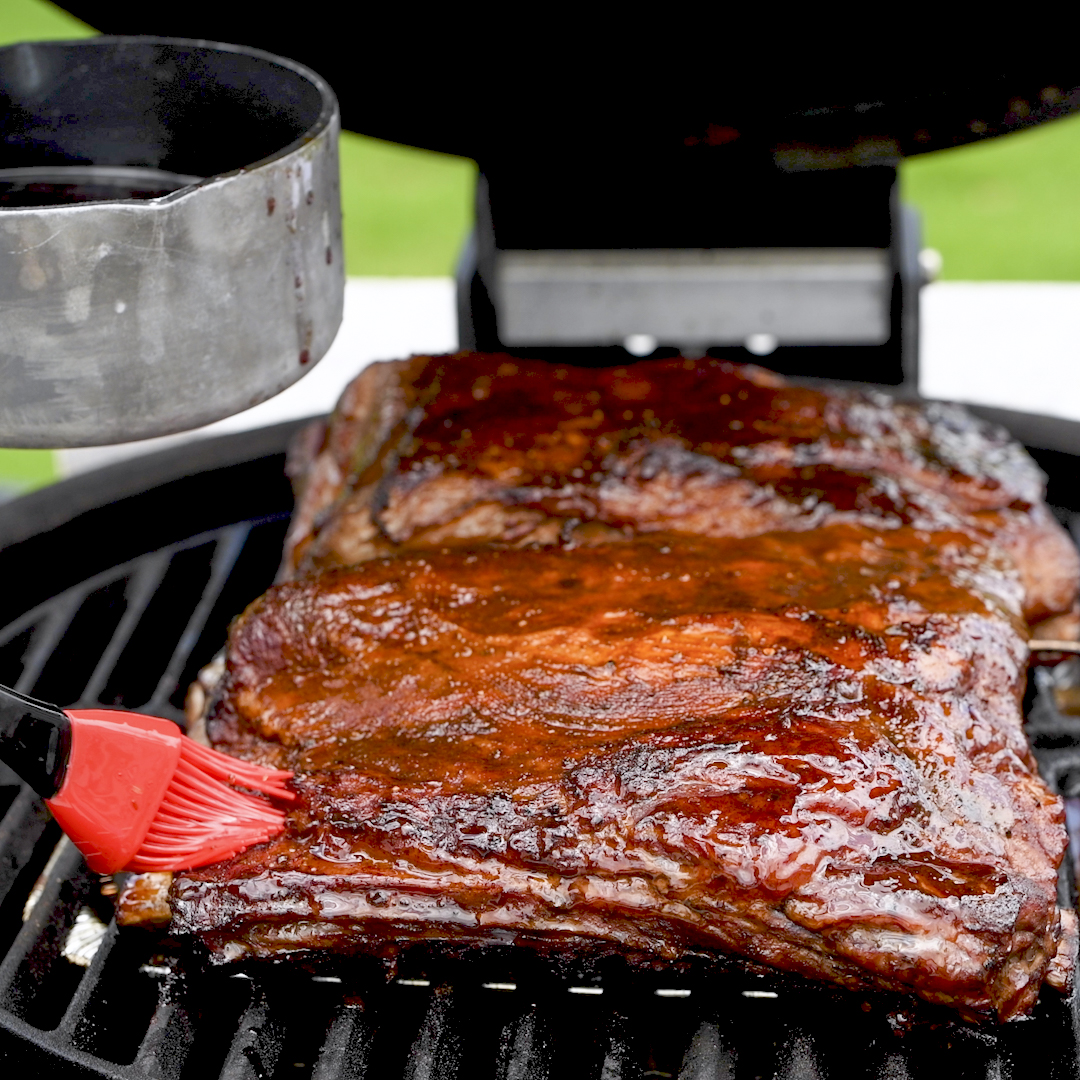
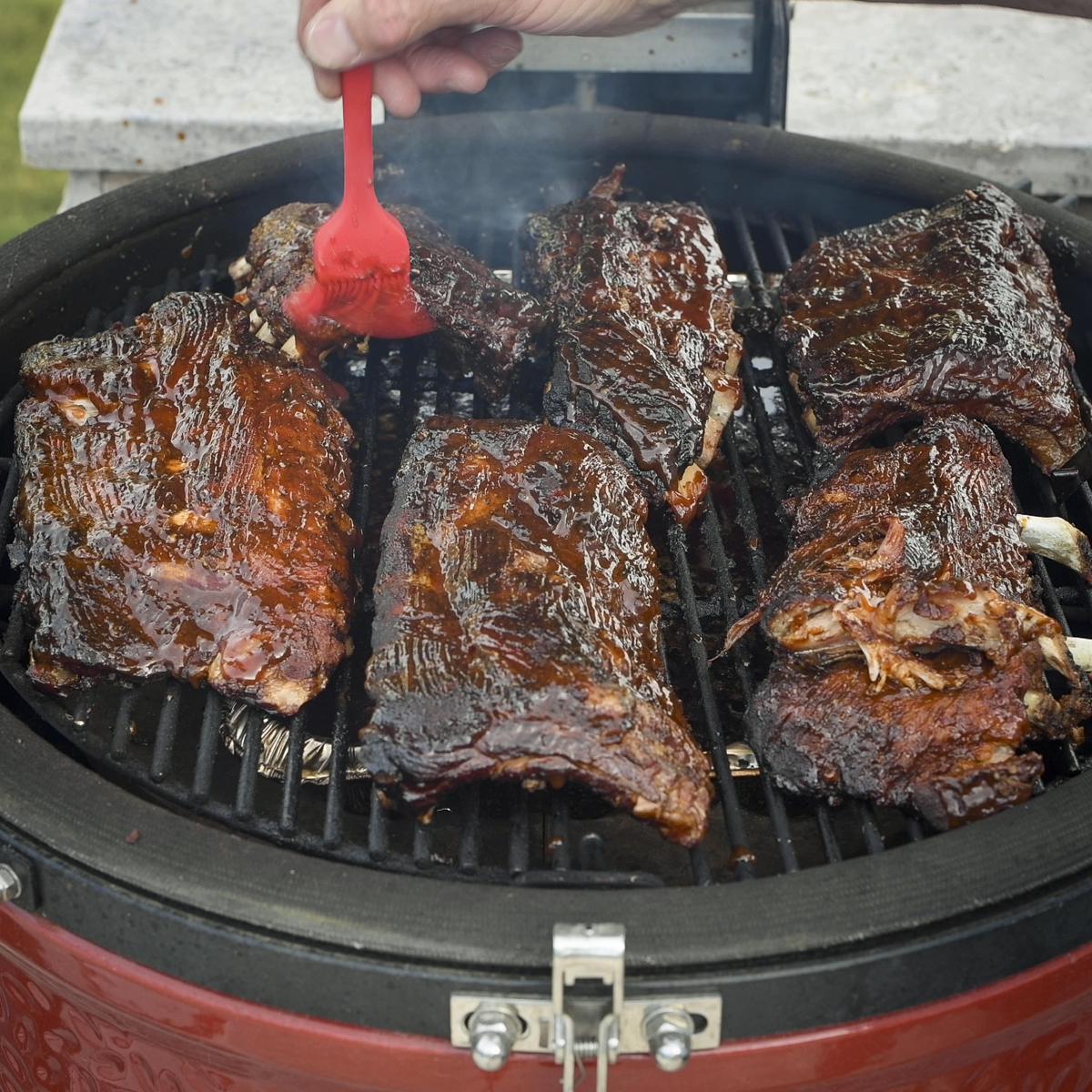
I use one when smoking ribs on my Kamado Joe as well, including baby back ribs, St. Louis ribs, and dino beef ribs. Ribs have considerably less mass than a whole brisket or pork shoulder, so their surface can dry more quickly. I like the more humid environment a water pan provides during the cook.
Again, a water pan isn't mandatory. You can cook excellent ribs on a Kamado Joe without one. This is simply the method I've settled on after years of cooking on ceramic grills.
What About Pork Shoulder?
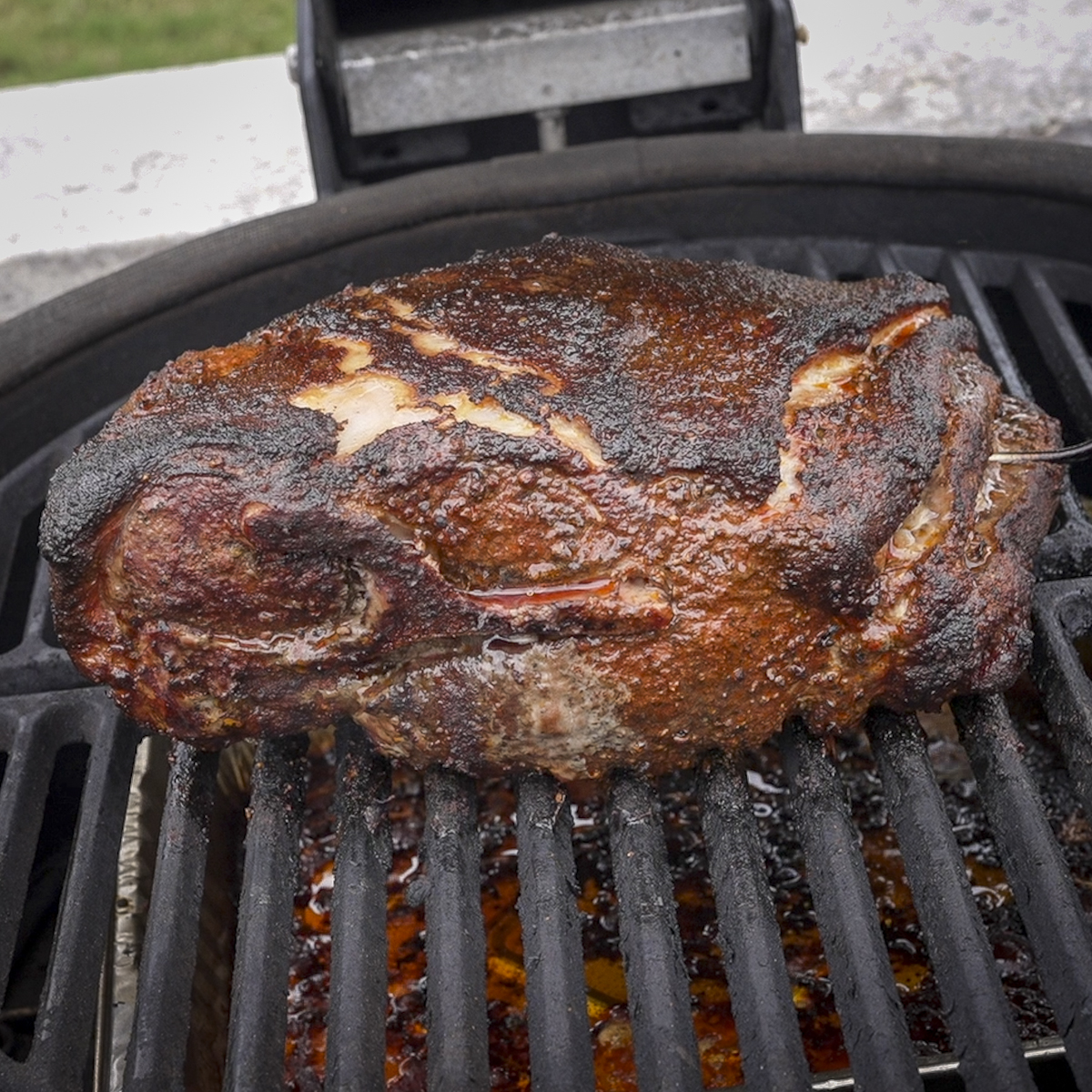
Pork shoulder is another long cook where I usually use a water pan. A pork shoulder is certainly forgiving enough to cook without one, but the same advantages apply. The pan adds thermal mass and increases humidity while the meat spends hours cooking at low temperature. For me, there's very little downside to using one, so I do.
Do You Need to Refill the Water Pan During a Long Cook?
Sometimes you do. How quickly the water evaporates depends on the size of the pan, how much water you started with, your cooking temperature and the length of the cook. Starting approximately three-quarters full is usually enough for quite a while, but I still check it during an especially long cook.
If it gets low, use a pitcher to add more water. There's no reason to remove the meat and pull the pan out just to refill it.
What Happens If the Water Pan Runs Dry?
Your cook isn't ruined if the water pan runs dry. The Kamado Joe will continue cooking normally, but the environment inside the grill can change. Without water evaporating into the cooking chamber, the thermal effect of the water absorbing heat will be lost.
That means you may see the grill temperature change somewhat after the pan runs dry. If you're using a water pan, I'd rather keep water in it until I'm finished cooking.
Water Pan vs. Drip Pan: Can One Pan Do Both?
A water pan and a drip pan are not necessarily the same thing, although the same pan can perform both jobs. A drip pan can be used empty to catch grease and keep drippings from reaching other parts of the grill. A water pan contains water to increase humidity and add thermal mass to the cooking environment.
Because I position my water pan below the cooking grate, it also catches some of the grease and drippings coming from the meat. That's another reason I like inexpensive disposable aluminum pans. Just remember that catching drippings is a secondary benefit. The main reason I use the pan is for the humidity and thermal mass provided by the water.
Is a Water Pan Worth Using in a Kamado Joe?
For me, yes. A Kamado Joe doesn't require a water pan to maintain temperature or produce excellent barbecue. That's important. If you've been cooking without one and getting good results, there's no reason to think you've been doing something wrong.
I I use one because I prefer the environment it creates during long, low-and-slow cooks. It adds thermal mass, increases humidity and can help keep the surface of the meat moist longer during the portion of the cook when I'm developing smoke flavor. It's also simple to use and inexpensive.
After years of cooking brisket, pork shoulder and ribs this way, it's the setup I continue to use. I put a disposable aluminum pan directly on the heat deflectors, fill it about three-quarters full with plain water, and cook normally.
Want to Know More About Water Pans?
This article focuses specifically on how I use a water pan in a Kamado Joe. Water pans behave somewhat differently in other types of smokers because airflow, heat sources and cooker designs vary considerably.
For a deeper explanation of how water pans work, including their use in offset smokers, pellet smokers and vertical smokers, see Water Pan in a Smoker: What It Does, Where to Put It & When to Use One.
Leave a Reply