Homemade beef tallow is one of the most flavorful and versatile cooking fats available. While beef tallow can be found online and at most grocery stores, making your own is easy. The thick, firm pieces of white fat trimmed from a brisket, chuck roast, beef ribs, or rib roast are perfect for making homemade beef tallow.
Jump to:
What Is Beef Tallow?
Beef tallow is rendered and filtered beef fat used as a flavorful cooking fat. Its beef flavor and high smoke point make it well suited for frying, roasting, searing, and other high-heat cooking.
Which Fat Trimmings Can Be Used to Make Beef Tallow?
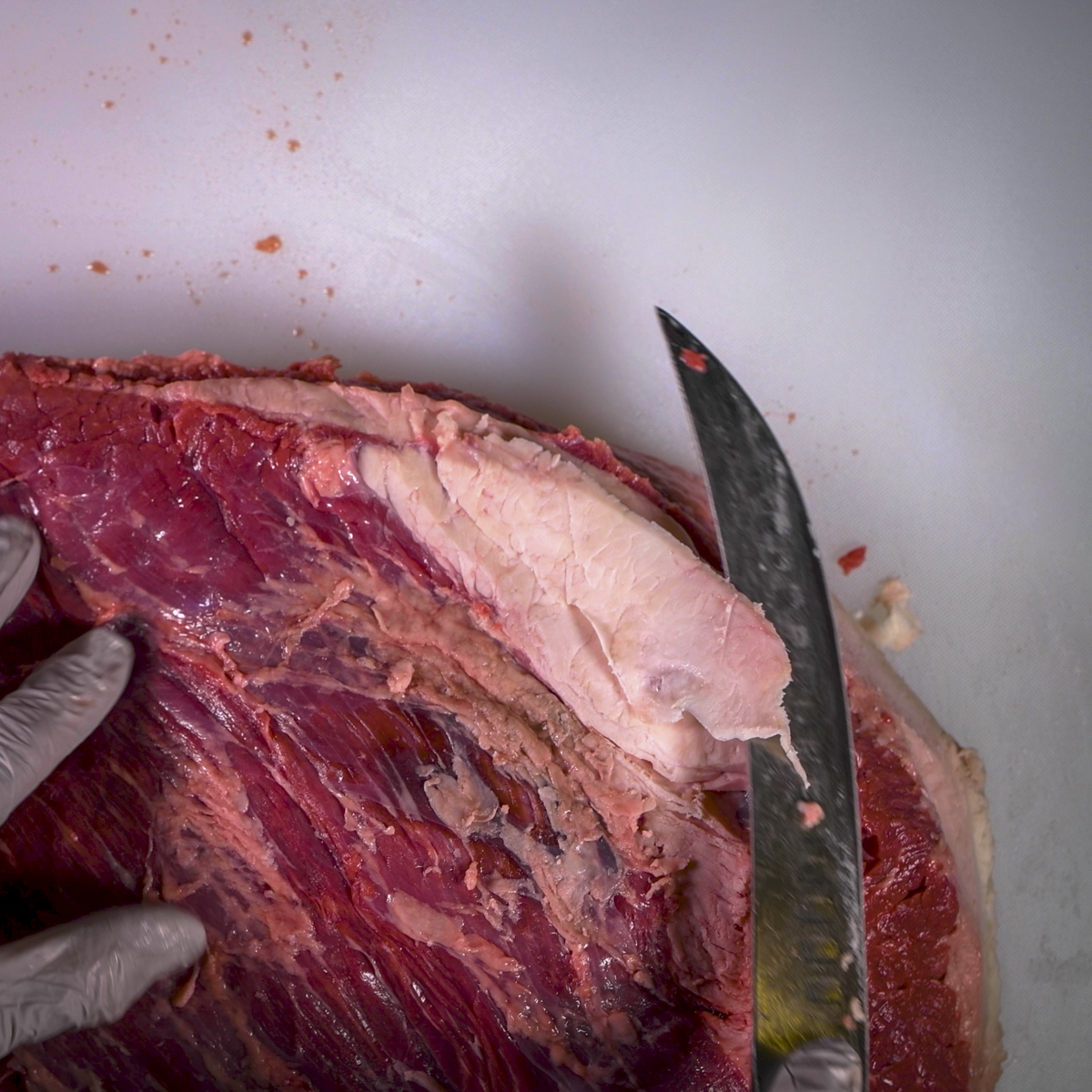
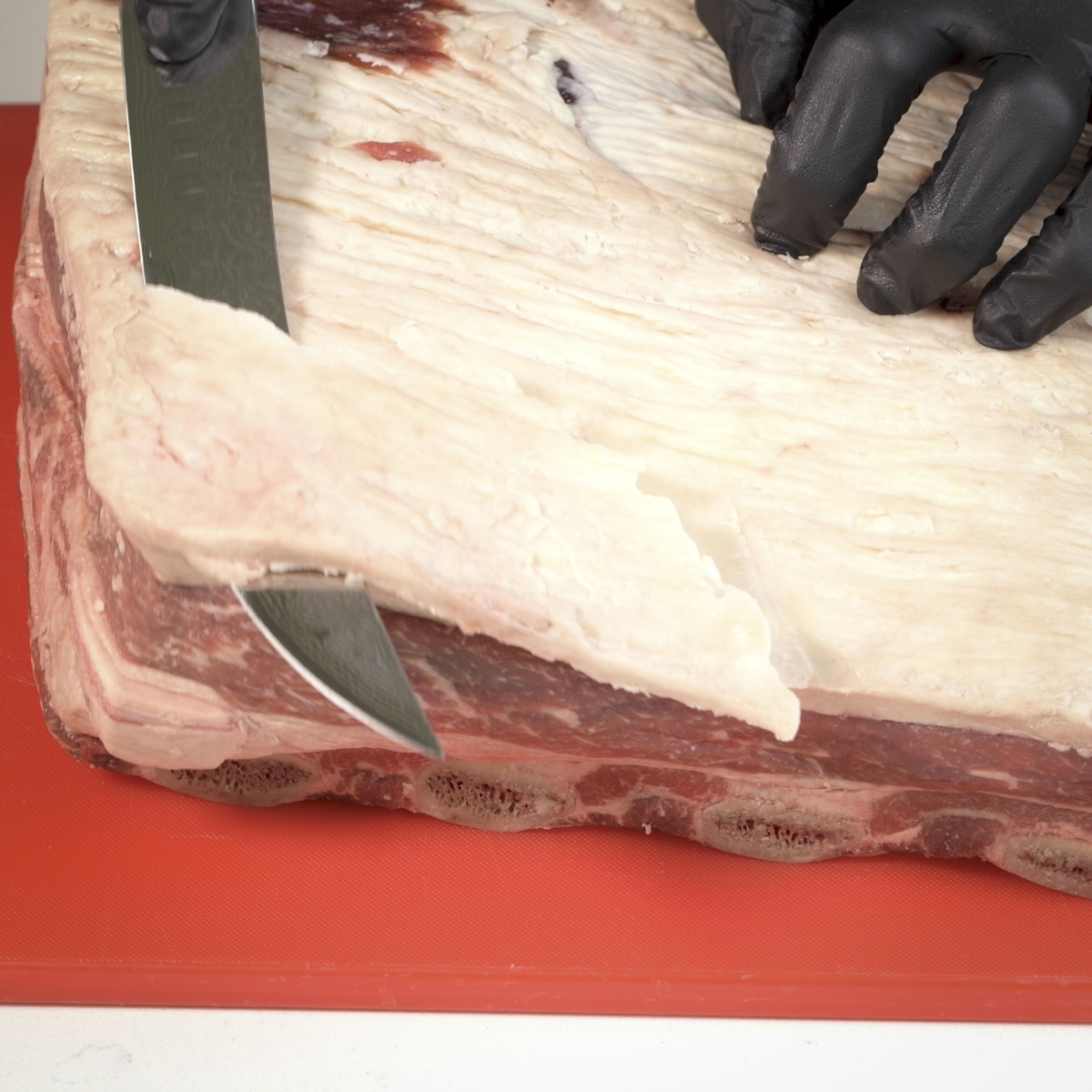
Brisket, beef ribs, chuck roasts, short ribs, and rib roasts all have excess fat that is perfect for making tallow. The best beef trimmings are clean, thick, firm pieces of white fat with very little meat attached. Thin, rubbery fat does not render well.
What Do You Need to Make Beef Tallow?
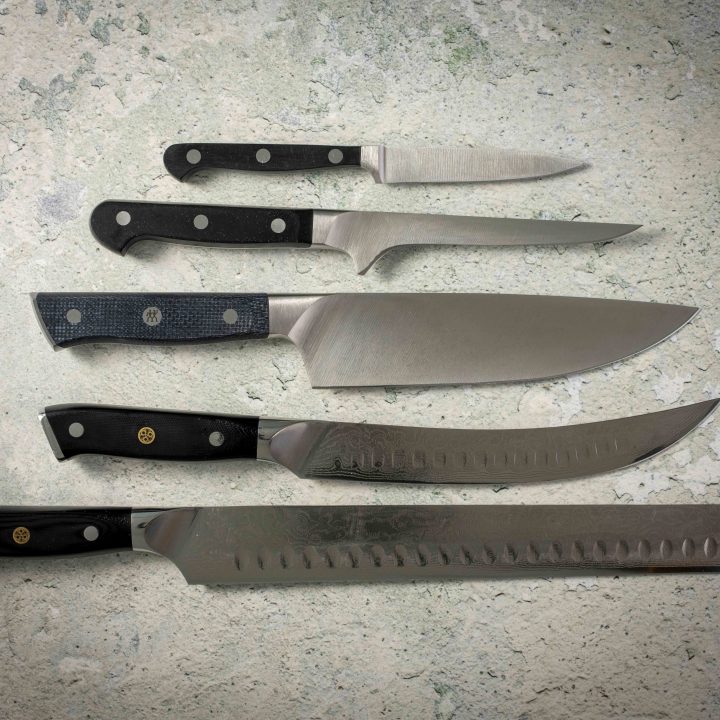
To make beef tallow, you need a sharp knife, a cutting board, a small 1- to 2-quart cast-iron Dutch oven, heat-resistant gloves, a fine-mesh strainer, cheesecloth, a clean glass jar with a lid, and a low heat source.
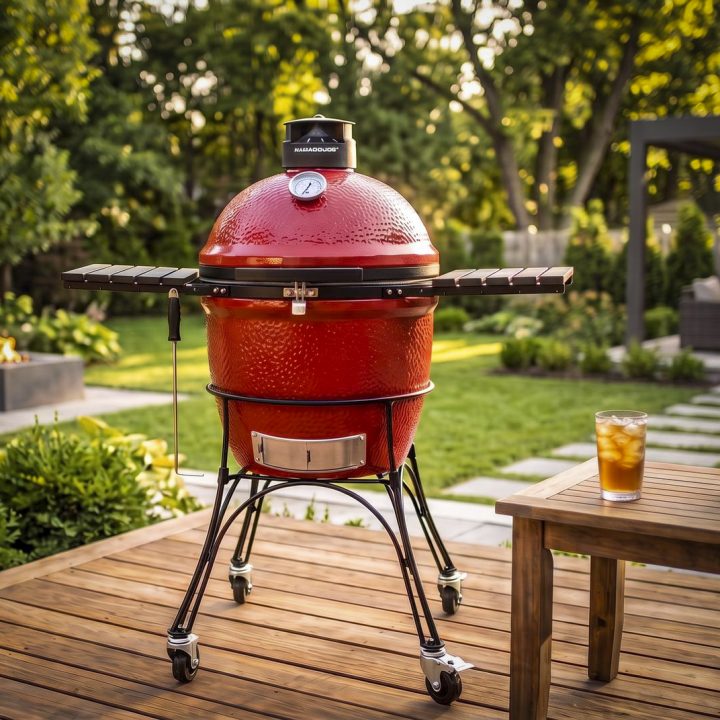
A Kamado Joe works well for rendering tallow because it can hold 250°F indirect heat for hours with very little attention. A temperature controller can make maintaining a steady fire easier, but it is not required. A low oven or slow cooker can also be used to make beef tallow.
How to Make Beef Tallow from Beef Trimmings
Once the fat is trimmed and cut, steady low heat does most of the work before the rendered tallow is cooled and filtered.
Step 1: Prepare and Cut the Beef Fat
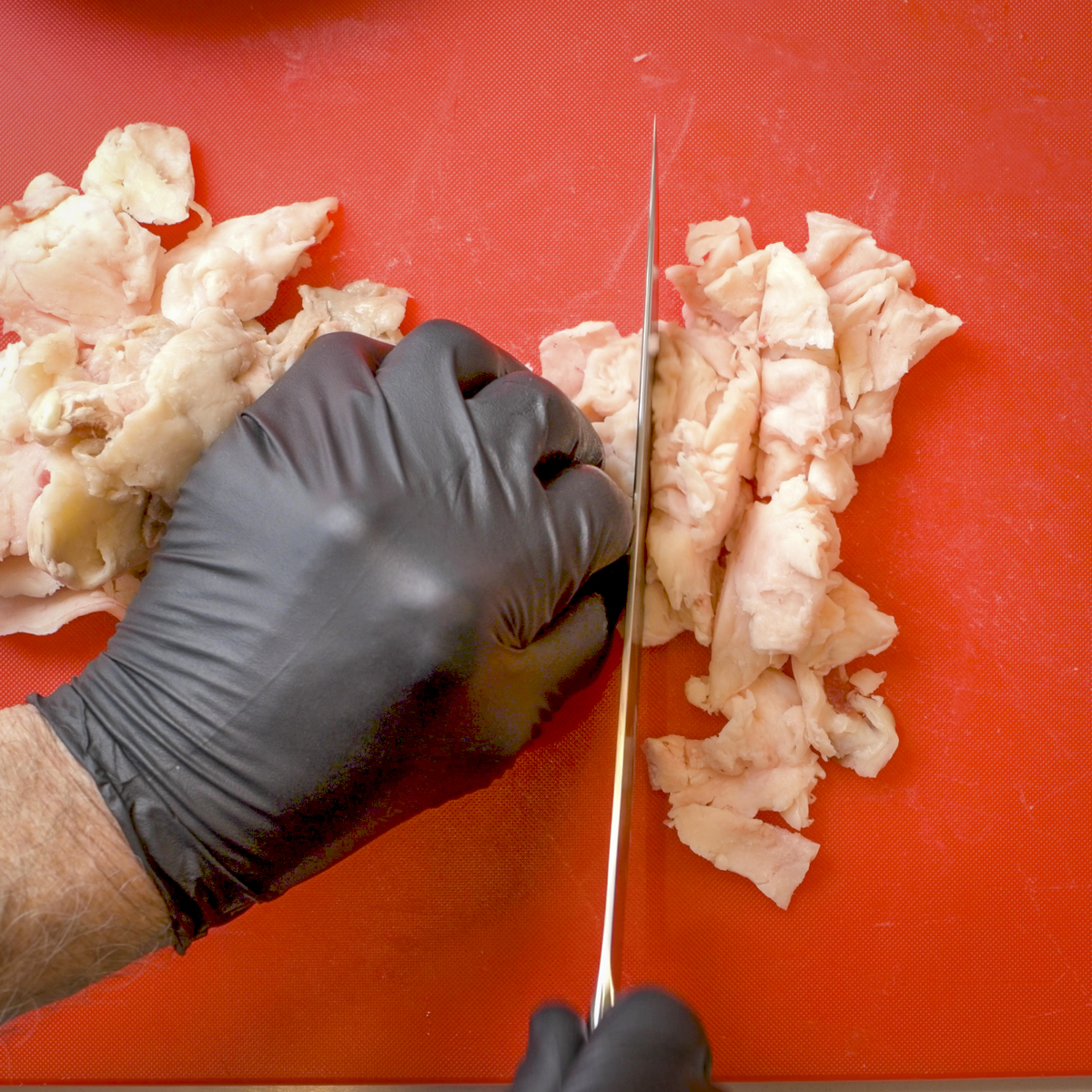
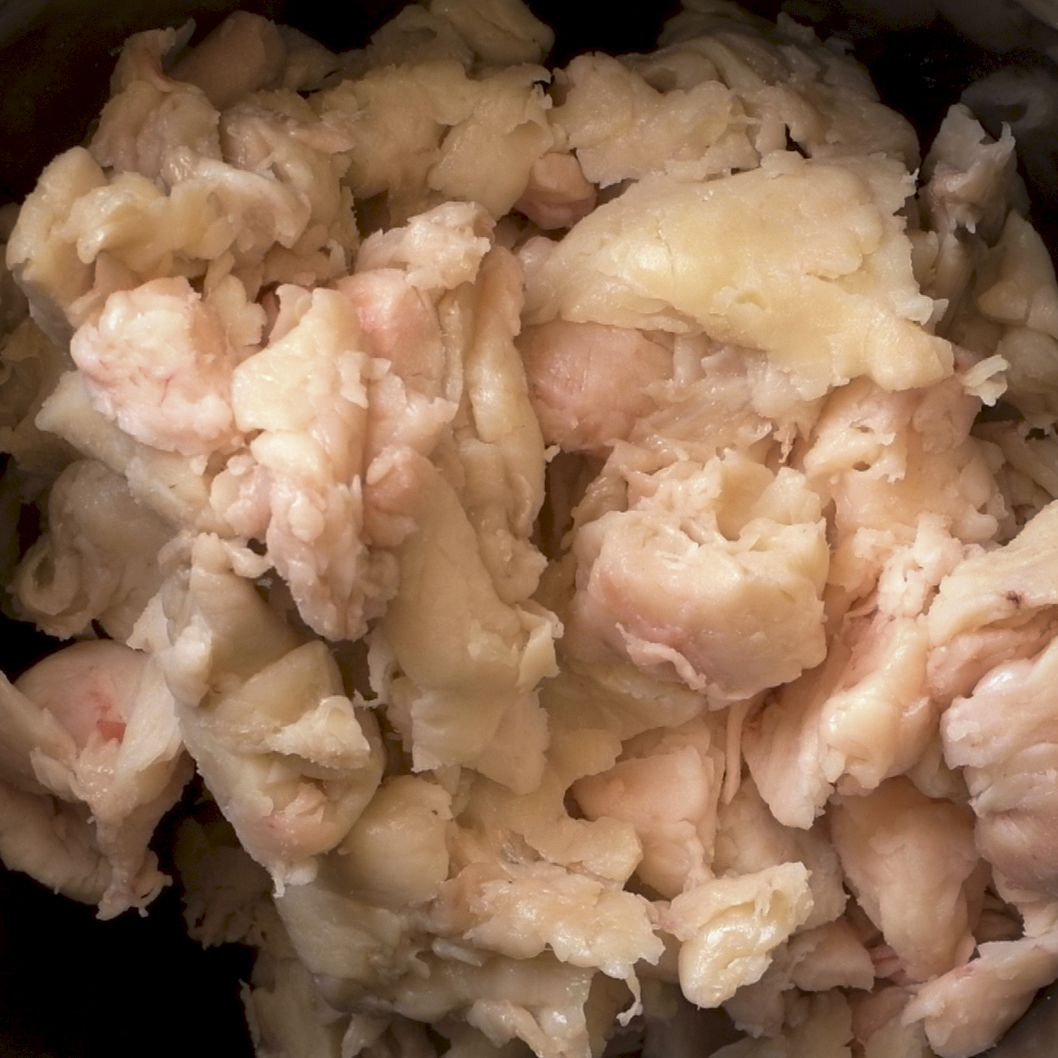
Start with cold beef fat because it's easier to cut. Trim away as much attached meat as possible, then cut the fat into ½-inch pieces. Smaller pieces expose more surface area to heat and render faster than larger pieces. Place the cut fat directly into a clean, dry Dutch oven.
Step 2: Set Up the Kamado Joe for 250°F Indirect Heat
Set up the Kamado Joe for indirect heat at 250°F. Once the grill is stable, place the Dutch oven on the cooking grate, uncovered, and close the lid. A temperature controller, such as the FireBoard, makes it easy to hold a steady 250°F.
Step 3: Render the Fat Slowly
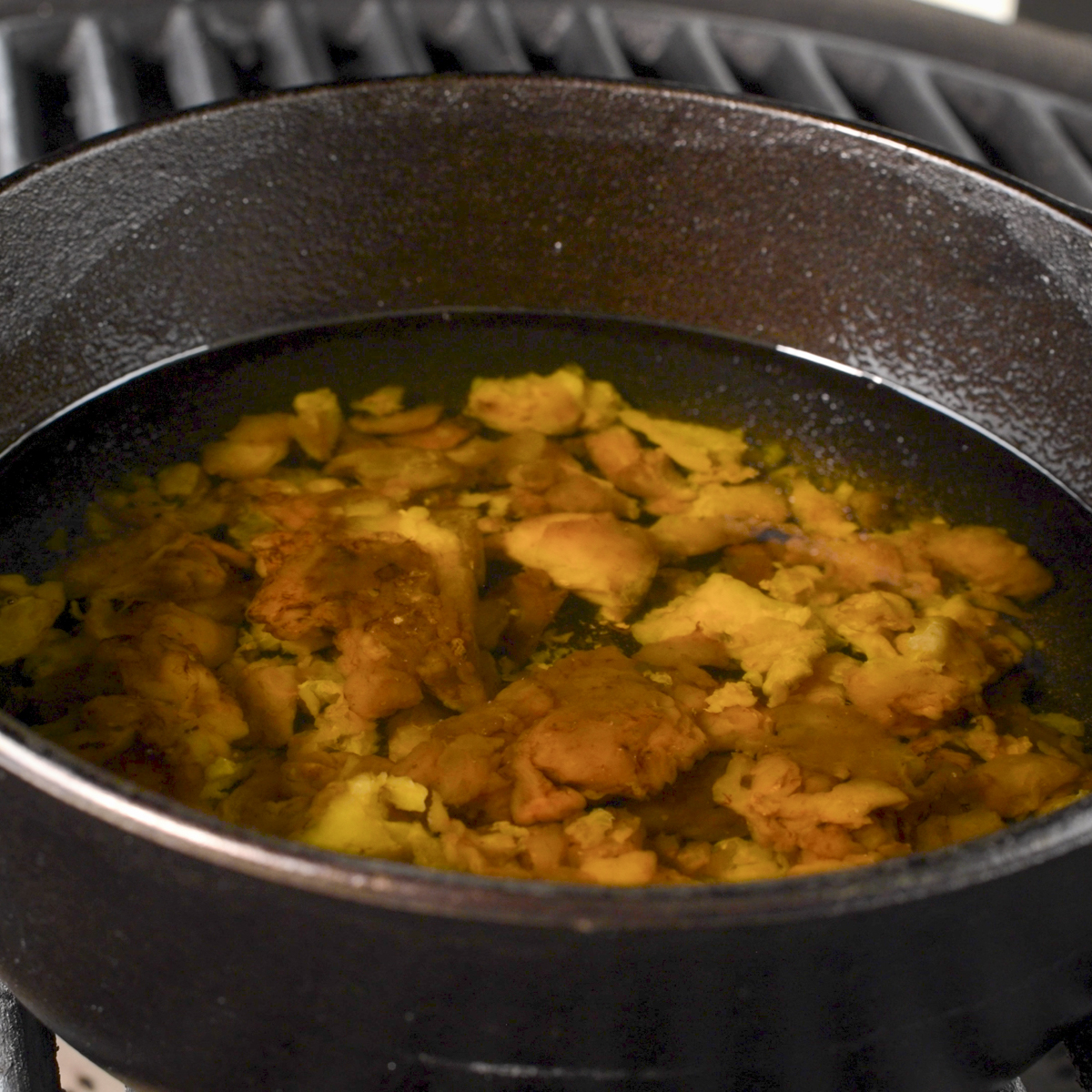
Render the beef fat at 250°F. As the fat melts, liquid tallow will collect in the Dutch oven and the solid pieces will gradually shrink. The process usually takes six to eight hours, but the exact time varies with the size and composition of the trimmings.
Step 4: Know When the Tallow Is Finished
The tallow is fully rendered when the remaining solids have shrunk substantially, turned deep golden brown, and are releasing very little additional liquid fat. The crisp, brown solids left after rendering are called cracklings. They can be eaten warm with a light sprinkle of kosher salt, or added to dishes for a little extra flavor and crunch.
Step 5: Let the Rendered Fat Cool Briefly
Remove the Dutch oven from the Kamado Joe and place it on a stable, heat-resistant surface. Let the tallow cool for about 15 minutes. The Dutch oven and rendered fat will be very hot, so use heat-resistant gloves when handling the Dutch oven.
Step 6: Filter the Beef Tallow
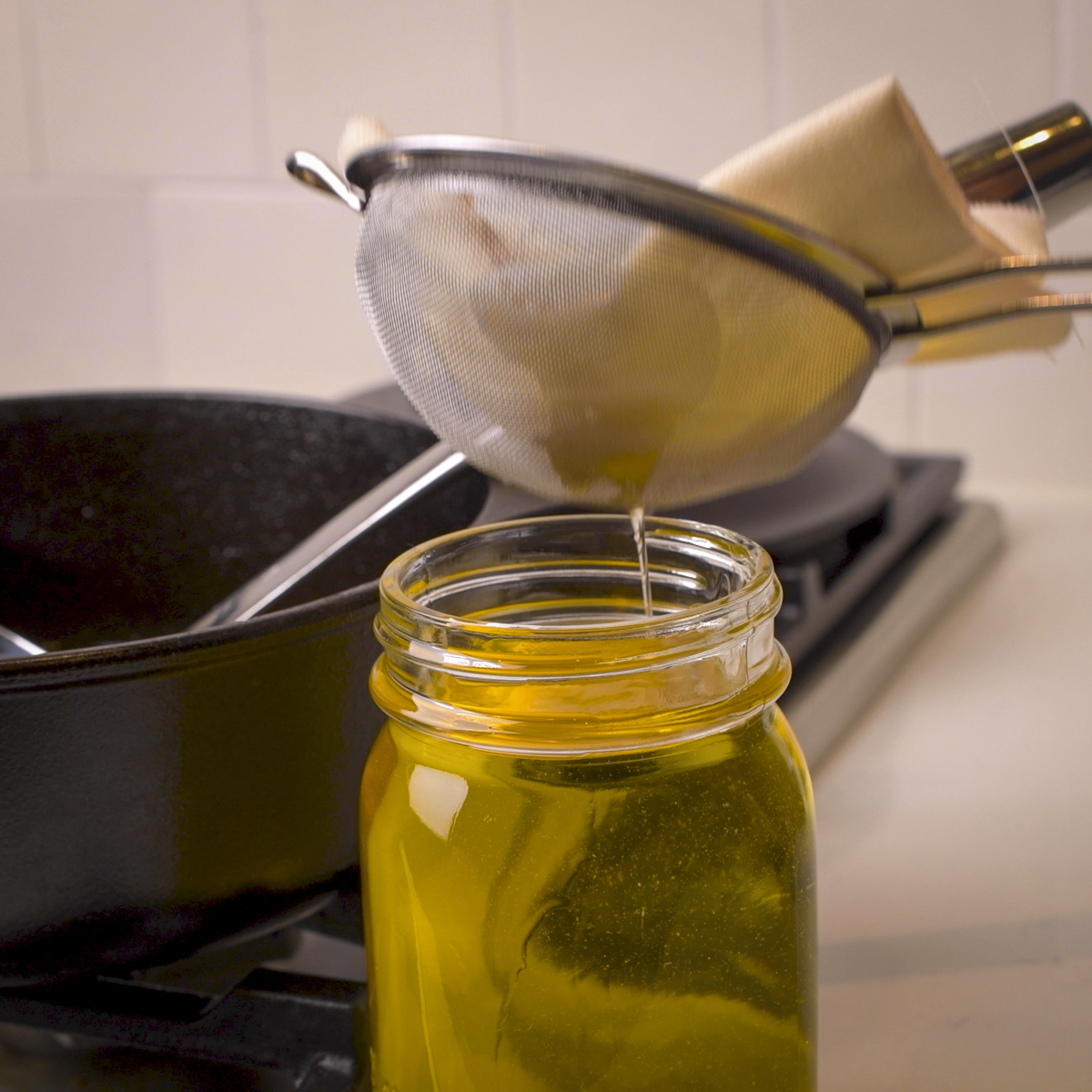
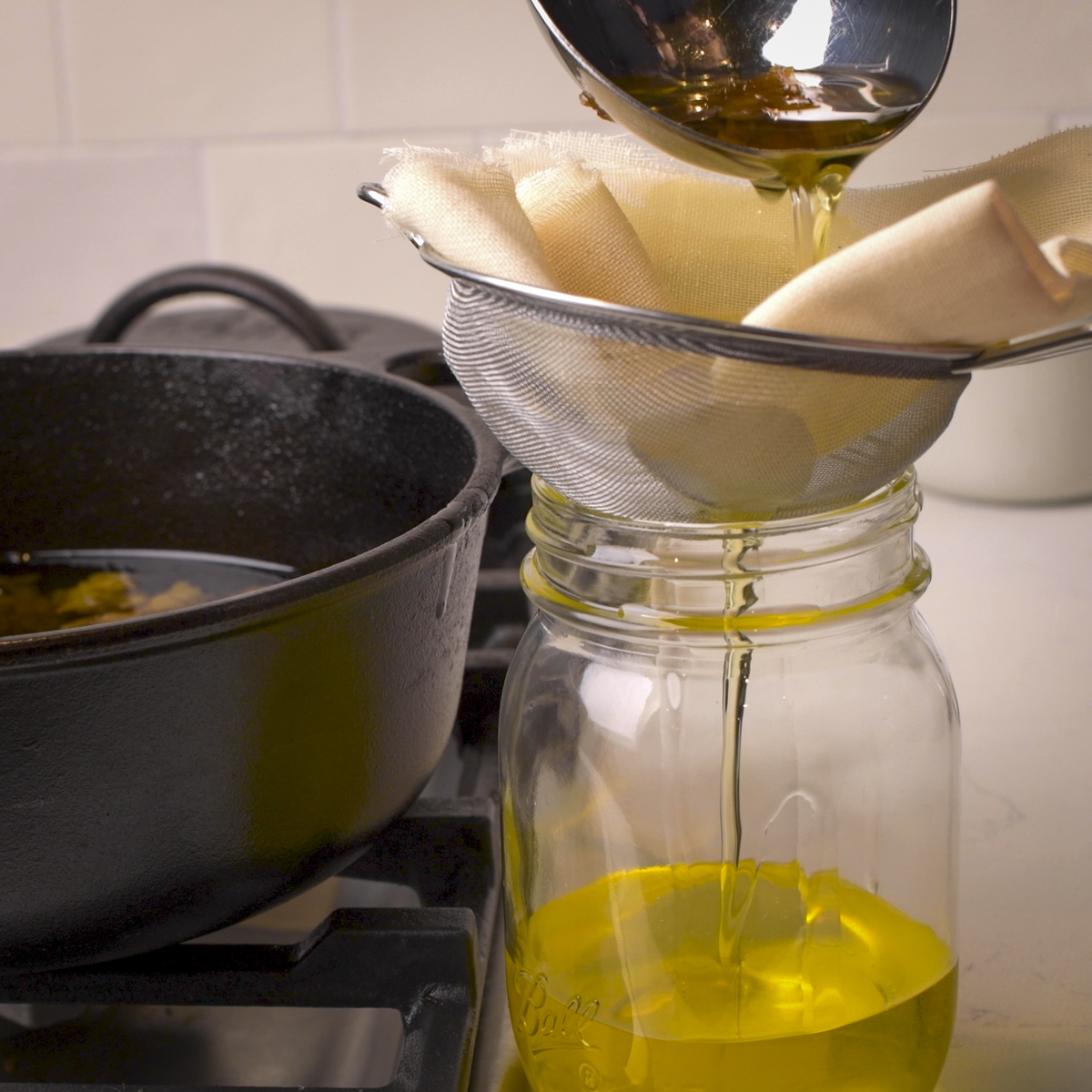
Tallow needs to be filtered to remove small pieces of meat, cracklings, and other impurities left behind during rendering. Slowly pour the warm tallow through a fine-mesh strainer lined with several layers of cheesecloth directly into a clean, dry glass jar.
Fresh tallow should be clear and golden to amber in color while it is warm. Once the tallow cools, cover the jar and refrigerate it. The tallow will solidify and turn creamy white.
How Should Homemade Beef Tallow Be Stored?
Store homemade beef tallow in a clean, tightly covered glass jar in the refrigerator. Use a clean, dry utensil each time you remove tallow from the jar to ensure the remaining tallow stays pure and fresh. Fresh tallow should have a clean beef aroma, so discard it if it develops a rancid, sour, or otherwise unpleasant smell.
What Can You Do with Homemade Beef Tallow?
I use homemade beef tallow for frying, roasting, searing, and anytime I want a cooking fat with a high smoke point that also adds a touch of beef flavor.
Sear Steaks and Smash Burgers
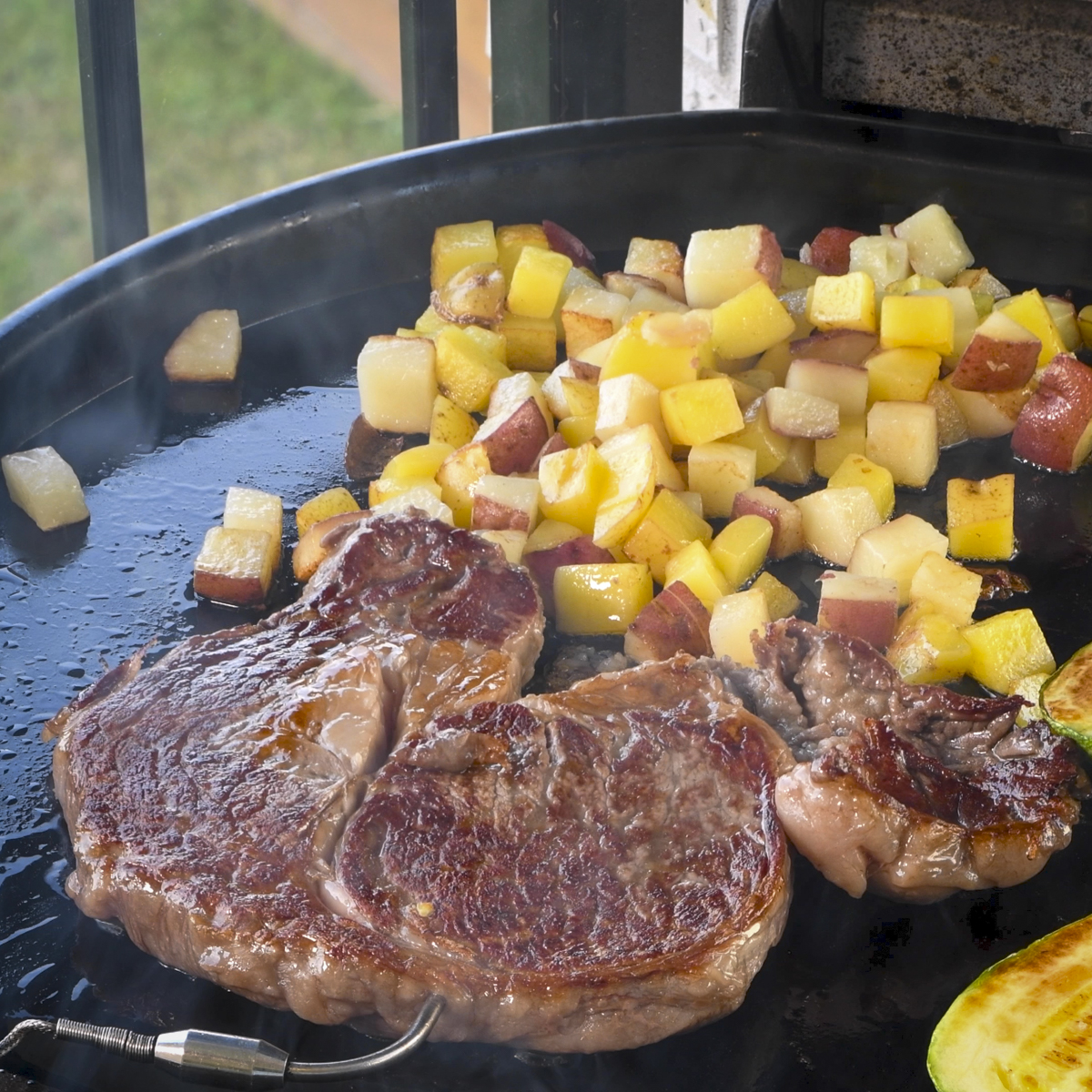
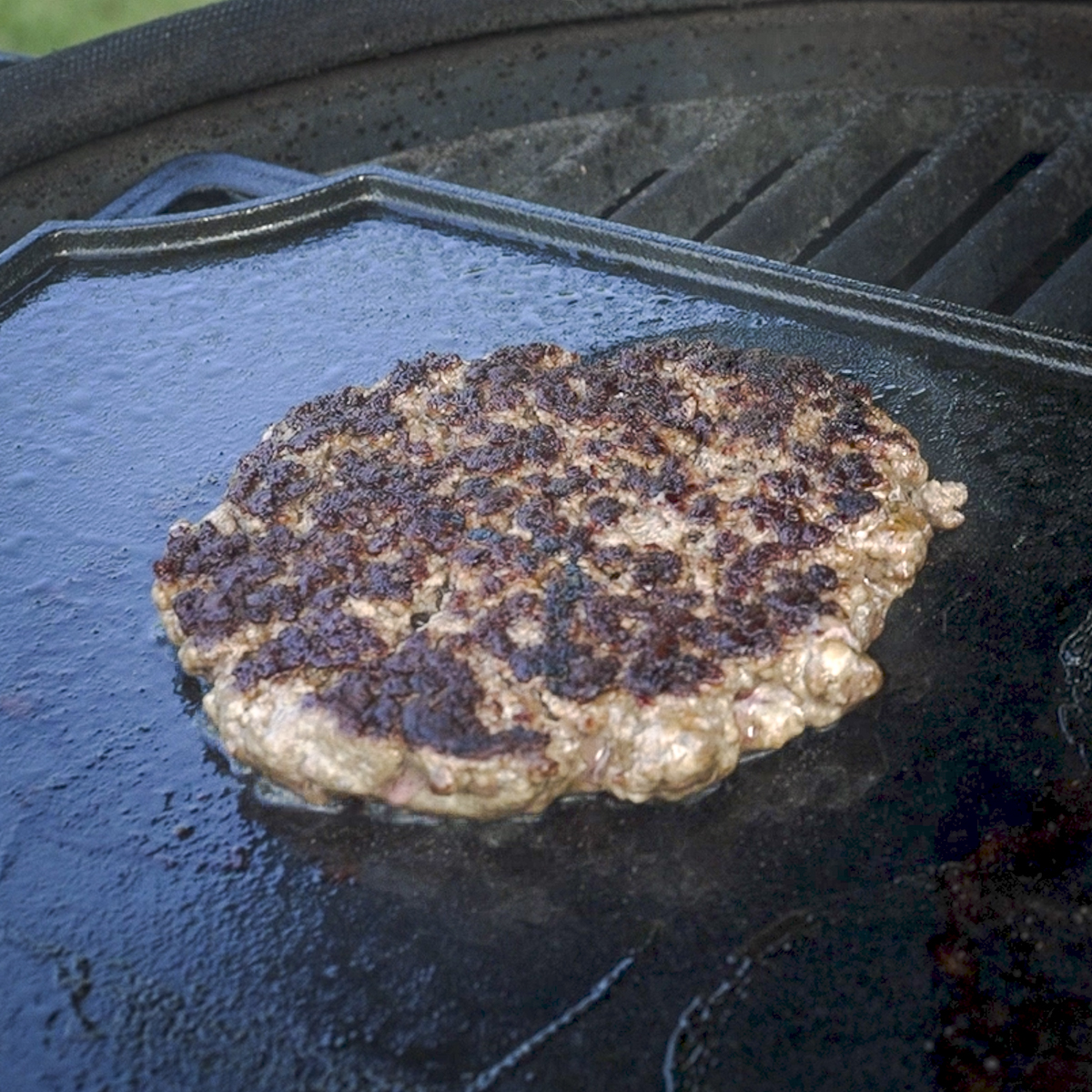
Tallow's high smoke point makes it especially useful for searing steaks and cooking smash burgers. Add a small amount to the hot cooking surface to promote browning while adding beef flavor. On a half-moon griddle, use a scant tablespoon. That is enough to coat the cooking surface without leaving excess fat that can run into the fire and cause flare-ups.
Roast or Fry Potatoes and Vegetables
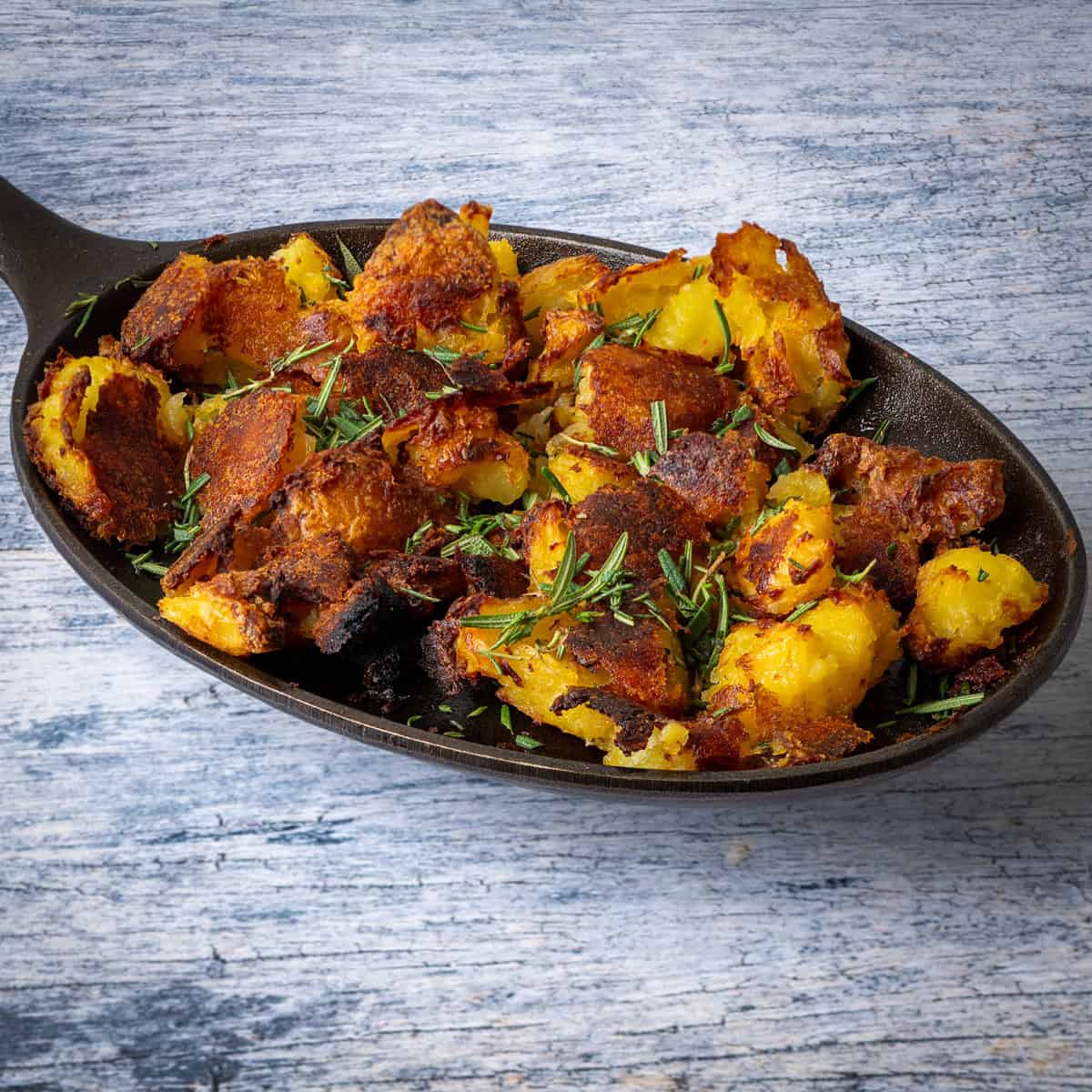
Use beef tallow when roasting or frying potatoes and vegetables. It adds a richer, savory flavor that works especially well with potatoes, Brussels sprouts, and carrots served with grilled or smoked beef.

Use Tallow When Wrapping Brisket
I always use beef tallow when wrapping a brisket. Before wrapping in pink butcher paper, I brush a thin layer of melted tallow over the entire brisket. That helps keep the surface moist and adds more beef flavor.
Frequently Asked Questions
One pound of good beef fat trimmings produces roughly 12 to 14 ounces of rendered tallow.
Firm, clean fat trimmings from brisket, dino plate ribs, rib roast, and chuck roast all work well for making tallow.
Yes. Freeze clean beef-fat trimmings until you have enough for a batch.
No. Place the cut fat directly into a clean, dry Dutch oven and heat it slowly. The fat releases its own liquid as it renders.
Freshly filtered tallow should be clear and golden to amber while it is warm. Once refrigerated, it solidifies and usually becomes creamy white, although the exact shade can vary somewhat from batch to batch.
Beef tallow generally takes six to eight hours to render at 250°F. The tallow is done rendering when the remaining solids are golden brown and releasing very little additional fat.
Homemade beef tallow should be refrigerated after it has cooled. Commercial tallow may be processed and packaged for different storage conditions, but refrigeration is the recommended method for tallow rendered and filtered at home.
Final Thoughts
Beef tallow is surprisingly easy to make. A few minutes of trimming and cutting followed by several hours of low heat are all it takes to turn raw beef fat into a flavorful cooking fat.
The real payoff comes when you start cooking with tallow. A small amount of tallow adds beef flavor, helps brown steaks and smash burgers, and gives roasted potatoes and vegetables a richer flavor. Once you make your first batch and see how it improves the flavor of the food you already cook, you'll want to keep a jar of beef tallow on hand.
Leave a Reply